

How can you identify a top-tier Rolex replica watch?
A 1:1 Rolex replica (Super Clone) can be identified by its solid 904L steel construction, scratch-proof sapphire crystal with micro-etched crown at the 6 o’clock position, instant date rollover precisely at 12:00 midnight, 70-hour power reserve, and silent bidirectional winding rotor.
Technical Nuances in the Replica Rolex Landscape
Navigating the complex world of high-end horology requires more than a casual glance at a polished dial. When you begin your guide understanding the intricate layers of a replica rolex, you must confront the reality of metallurgical discrepancies. While top-tier manufacturers attempt to mimic the specific density of 9-grade 904L steel, the microscopic grain structure often reveals the truth under high magnification. This isn’t just about aesthetics; it’s about how the metal reacts to light and environmental oxidation over time.
The tactile experience is where many enthusiasts first notice a deviation. A genuine timepiece possesses a specific weight distribution and a calibrated tension within the Oyster bracelet links. In many high-end imitations, the “click” of the unidirectional bezel—that precise, mechanical snap—can feel slightly mushy or overly loose. Achieving this level of precision requires specialized CNC machinery and rigorous quality control that many mass-production facilities simply bypass. 
Analyzing the Technical Construction of a Replica Rolex
The internal architecture of a timepiece is the true litmus test for any collector. A high-quality replica rolex aims to replicate the movement’s beat rate and power reserve, yet the components often differ in their finishing. We see significant variations in the way bridges are chamfered and how the perlage decoration is applied to the baseplate. These micro-details are what separate a standard imitation from a true super clone.
Beyond the visible surfaces, the escapement and hairspring stability are critical. While a movement might look identical through a clear caseback, the frequency stability under thermal stress is where the engineering gap widens. Professional evaluators often look for the specific way the balance wheel oscillates—any irregular wobbling can indicate a lower-grade componentry setup. 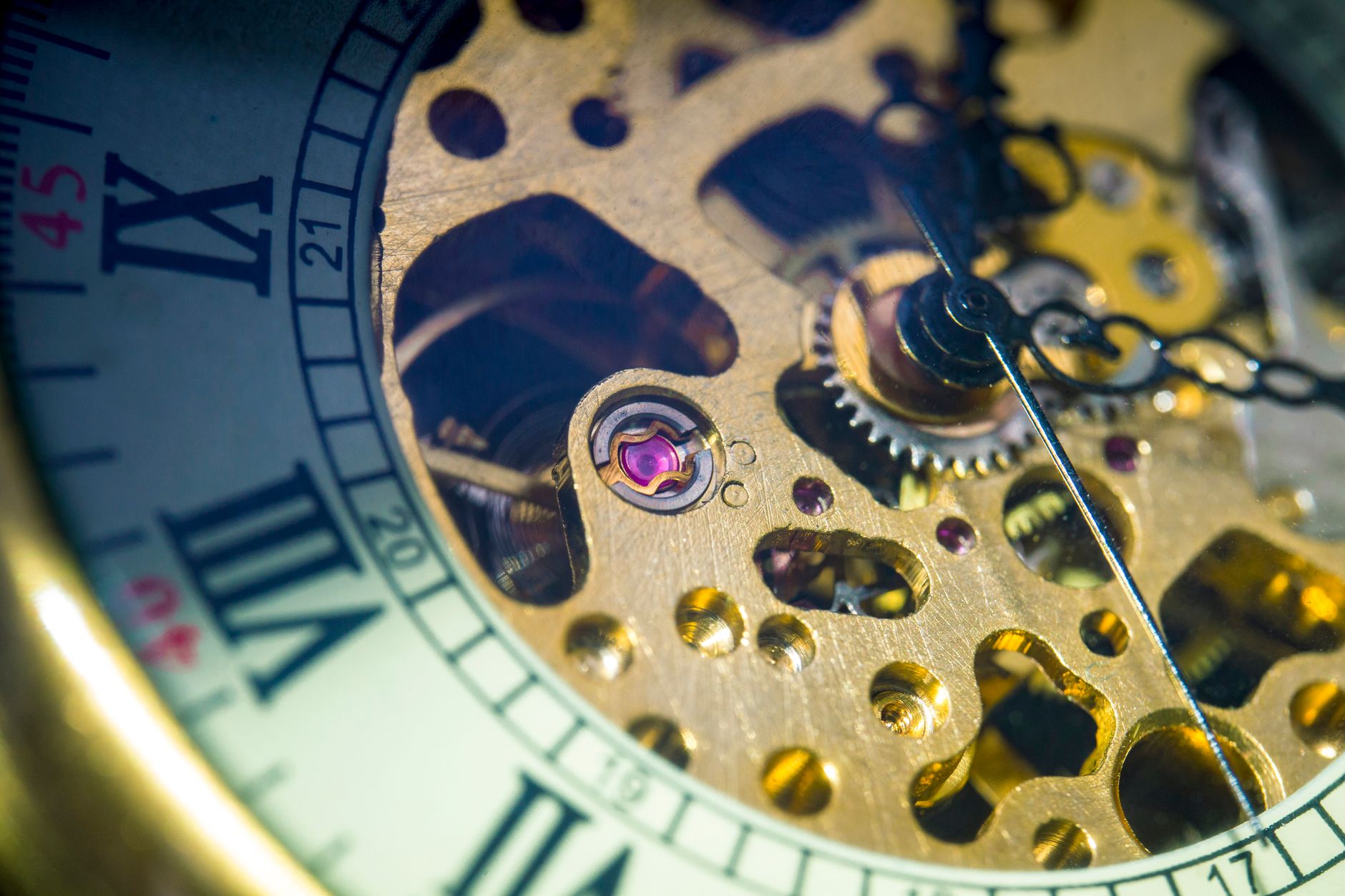
Material Composition and Surface Finishing
The luster of a luxury watch depends heavily on the polishing technique. Authentic pieces undergo multiple stages of polishing using diamond pastes to achieve a mirror-like finish on the lugs. In the replica rolex market, you might find surfaces that appear bright but lack the depth of a true polished surface. This often results from using coarser abrasives during the final finishing stage.
Furthermore, the ceramic inserts on models like the Submariner require high-temperature sintering processes. If the ceramic is not fired correctly, it may exhibit microscopic porosities. These tiny imperfections can trap dirt or even lead to hairline cracks under sudden pressure changes, a common issue in lower-tier reproductions.
The Economic Drivers of the Replica Rolex Market
The global demand for luxury horology is driven by scarcity and prestige. As waitlists for certain models extend into years, a secondary market of high-fidelity imitations has naturally emerged. This market is fueled by a desire for the aesthetic prestige of a luxury icon without the astronomical entry price of the primary retail market. The economic interplay between supply, demand, and the availability of genuine pieces creates a constant flux in the detection market.

Price volatility in the pre-owned luxury sector also plays a role. When the value of a genuine piece spikes due to rarity, the incentive for manufacturers to produce even more precise clones increases. This creates a cycle where the technical gap between the original and the replica narrows as the economic stakes rise.
Impact on the Secondary and Pre-owned Market
The presence of high-quality imitations creates a challenging environment for secondary market dealers. It is no longer enough to simply check the serial number; a deep dive into the movement and the provenance of the papers is required. This has led to a heightened need for professional authentication services to protect the integrity of the luxury ecosystem.
Detection Strategies for Professional Evaluators
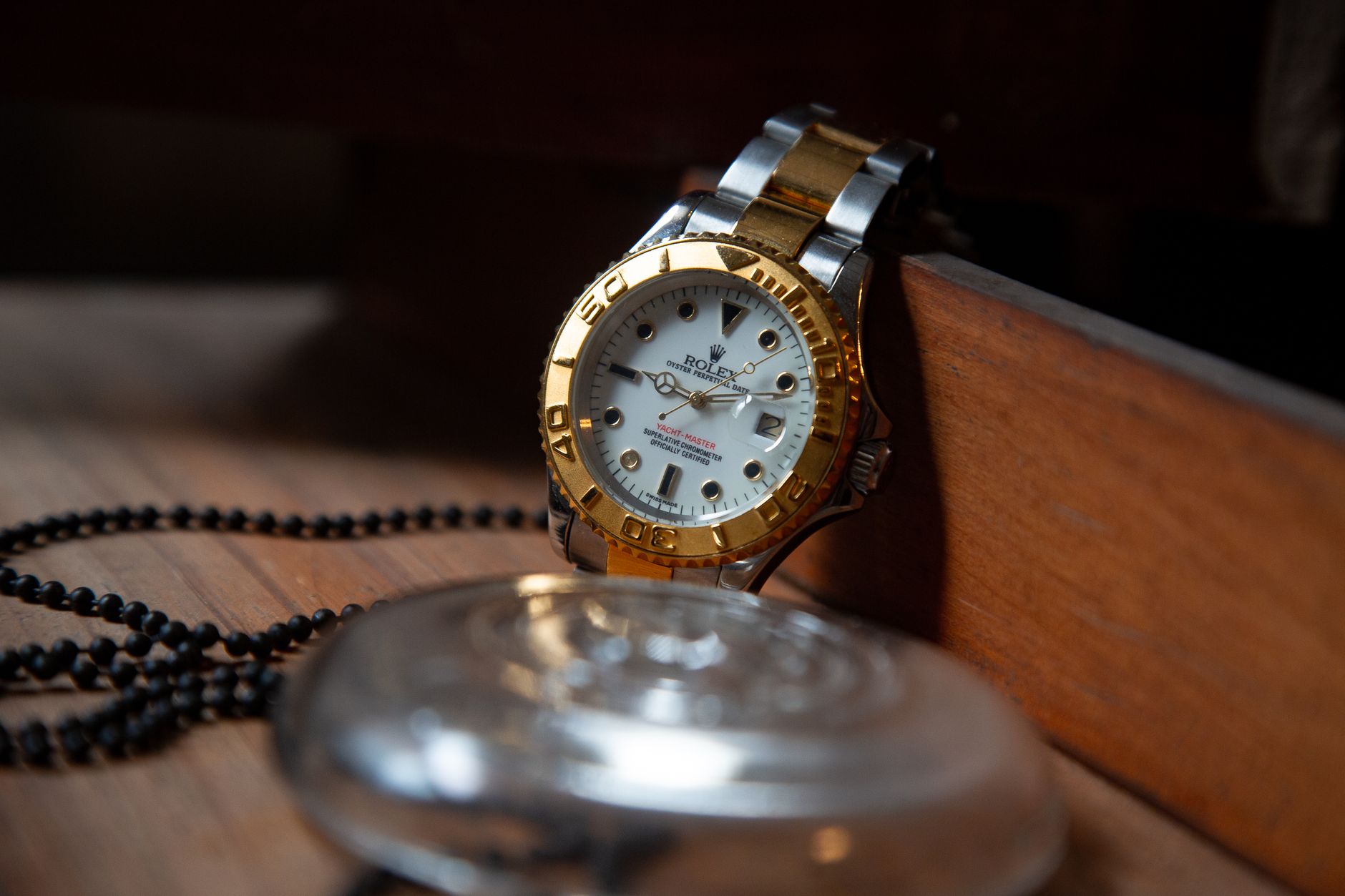
For those tasked with identifying a replica rolex, the process is a systematic breakdown of physical properties. It starts with the “weight test”—comparing the mass of the piece against known authentic specifications. Even a difference of 2 or 3 grams can be a significant red flag. However, weight alone is insufficient, as many manufacturers use tungsten inserts to artificially increase the mass of a fake watch.
The following checklist is often used by experts during a preliminary inspection:
- Microscopic Font Analysis: Checking for serif consistency and depth of engraving on the rehaut.
- Lume Consistency: Evaluating the color and luminosity decay of the Super-LumiNova application.
- Date Magnification: Inspecting the “cyclops” lens for the correct 2.5x magnification factor and clarity.
- Seal Integrity: Testing the resistance and threading of the screw-down crown.
Testing the Mechanical Integrity and Weight
A deep dive into the movement requires a loupe and, ideally, a timegrapher. We look for the specific rhythm of the beat error. A high-quality clone might maintain a steady 28,800 vph, but the way it handles the transition from a full wind to a low power reserve is telling. If the amplitude drops precipitously after only 24 hours, the mainspring quality is likely substandard.
We also examine the smoothness of the date change mechanism. In an authentic piece, the date jumps precisely at midnight. In many replicas, you might observe a “drifting” period where the date sits halfway between numbers for several minutes, indicating a lack of precision in the finger-driven date jumper mechanism.
The Future of Authenticity in a Digital Age
As manufacturing technology advances, the line between the original and the replica continues to blur. We are entering an era where 3D printing and advanced metallurgy allow for even more precise replications. This evolution makes the detection market more complex than ever before. The challenge for the industry is to innovate faster than the imitators can replicate. 
Digital certificates and blockchain-based ownership tracking are being explored as permanent solutions to the authenticity crisis. By linking a physical watch to a digital twin on a ledger, the history of the piece becomes immutable. While this won’t stop the production of clones, it will make the resale of unverified pieces significantly more difficult in the professional sphere.
Comparison of Watch Tiers
| Feature | Entry-Level Replica | High-Tier Super Clone | Authentic Luxury |
|---|---|---|---|
| Steel Grade | 316L Stainless Steel | 904L Stainless Steel | Certified 904L Steel |
| Movement Type | Modified Chinese Clone | High-Precision Caliber | In-house Manufacture |
| Bezel Rotation | Loose/Uneven | Calibrated/Smooth | Precision Engineered |
| Water Resistance | Surface Level Only | Tested to 50m+ | Certified Pressure Tested |
Frequently Asked Questions
How can I tell if the weight of my watch is correct?
The most accurate way is to use a high-precision digital scale (0.01g accuracy) and compare the result to known database specifications for that specific model and reference number.
Are the materials used in super clones identical to the originals?
While high-end clones use 904L steel and ceramic, the chemical composition and the heat-treatment processes often differ, which can affect long-term durability and luster.
Can a professional jeweler detect a high-quality replica?
A standard jeweler might miss a high-tier clone, but a specialist equipped with a timegrapher, X-ray fluorescence (XRF) analyzer, and high-magnification microscopy can usually identify discrepancies.
Understanding the nuances of the market is essential for any enthusiast. Whether you are looking for a high-quality alternative or verifying a potential purchase, always prioritize technical inspection over visual appearance. If you are seeking the pinnacle of precision and craftsmanship, explore the collections at Swiss Clone to see how we redefine the standards of excellence.