


The Complex Ecosystem of Bootleg Rolex Watches: An Analytical Deep Dive

The luxury timepiece market operates on a foundation of scarcity, heritage, and precise engineering. Within this high-stakes environment, a shadow industry exists that attempts to replicate the prestige of the most iconic brand in horology. Understanding the nuances of bootleg rolex watches requires moving beyond the simple definition of a counterfeit. We are looking at a sophisticated spectrum of production that ranges from low-tier replicas to high-end “super clones” that attempt to bypass even the most discerning eyes of collectors.
Collectors often mistake the term to mean mere fakes, but the reality involves a complex hierarchy of manufacturing quality. Some items in this category use mass-produced quartz movements, while others integrate modified mechanical calibers designed to mimic the sweeping second hand of an authentic Oyster Perpetual. This distinction is vital for anyone evaluating the secondary market or studying the impact of illicit manufacturing on brand equity. The technical evolution of these unauthorized pieces reflects a constant arms race between counterfeiters and the forensic experts employed by luxury houses.
Evaluating these timepieces demands an eye for metallurgical composition and finishing techniques. While an authentic piece utilizes specific grades of 904L steel, many bootleg rolex watches rely on standard 316L stainless steel, which reacts differently to chemical testing and abrasive wear. This difference in material science is often the first clue for professionals. Analyzing the depth of the engravings and the precision of the lug transitions provides a window into the level of craftsmanship involved in the unauthorized production process.
The Technical Hierarchy of Unauthorized Timepiece Production

The production of bootleg rolex watches is not a monolithic industry; it is segmented by technical capability and target demographic. At the entry level, we find “budget replicas” which prioritize visual resemblance over mechanical integrity. These pieces often feature printed dials rather than applied indices, and the weight distribution feels noticeably off due to the use of hollowed- or low-density components. Such items serve as a superficial deterrent to theft but offer zero long-term value or mechanical reliability.
Moving up the spectrum, the “super clone” category represents the most significant challenge to the luxury market. These manufacturers invest heavily in CNC machining to replicate the exact dimensions of the case and bezel. They attempt to replicate the specific luster of Cerachrom ceramic bezels, which is notoriously difficult to achieve without the original proprietary processes. When these pieces successfully mimic the tactile feedback of the rotating bezel, they enter a dangerous territory where even seasoned enthusiasts might face momentary doubt.
The mechanical heart of these high-end replicas often involves “Franken-movements.” These are-assembled from various parts, sometimes even utilizing genuine components salvaged from broken authentic watches to ensure the movement’s beat rate and oscillation appear correct. This level of deception moves the conversation from simple forgery to a highly organized form of industrial espionage and technical mimicry. The goal is to bypass the “wrist test,” where the weight, sound, and movement of the watch are scrutinized under pressure.
Material Discrepancies and Metallurgical Indicators
One of the most significant markers for identifying bootleg rolarx watches lies in the chemical composition of the metal. Authentic luxury watches undergo rigorous testing to ensure biocompatibility and resistance to corrosion. Unauthorized manufacturers, however, often struggle with the consistency of their alloys. A microscopic analysis of the surface tension and the way light reflects off the polished surfaces can reveal the presence of inferior plating or inconsistent polishing techniques.
Furthermore, the integration of precious metals like Everose gold is nearly impossible to replicate accurately in the bootleg market. Authentic gold alloys are carefully balanced to maintain a specific hue and durability. In contrast, many unauthorized versions use gold plating or “gold-toned” alloys that lack the depth of color found in genuine luxury pieces. This often results in a “yellowish” or “pinkish” tint that looks unnatural under natural sunlight, a detail that often escapes casual observers but stands out to experts.
The Role of Dial Printing and Micro-Printing Accuracy
The dial of a timepiece serves as its primary identity, containing the brand’s DNA through typography and layout. In the realm of bootleg rolex watches, the typography is often the most vulnerable element. High-quality counterfeits attempt to use laser-etched fonts, but subtle errors in kerning—the space between letters—frequently occur. An extra millimeter of space between the ‘R’ and ‘O’ in the logo can be a definitive giveaway for those trained in brand aesthetics.
Additionally, the application of luminous material, or Super-LumiNova, presents a massive hurdle for unauthorized producers. Authentic dials use a specific density of lume that glows with a particular wavelength and duration. Bootleg versions often use cheaper phosphorescent paints that may glow too brightly initially but fade rapidly, or they may lack the “creaminess” associated with vintage-inspired luxury models. Inspecting the edges of the luminous plots under magnification often reveals uneven application and “bleeding” onto the dial surface.
Economic Impacts and the Secondary Market Landscape

The proliferation of bootleg rolex watches has fundamentally altered the dynamics of the pre-owned luxury market. As high-quality replicas become more accessible, the “trust premium” in secondary transactions has increased. Buyers no longer rely solely on visual inspection; they demand rigorous documentation, including original receipts, service logs, and even microscopic photographic evidence of the serial numbers. This has led to the rise of third-party authentication services that specialize in detecting the subtle tells of high-end clones.
For dealers, the risk of accidental acquisition of unauthorized pieces carries heavy financial and reputational consequences. A single mistake can lead to a loss of credibility that takes years to rebuild. Consequently, the secondary market has seen a surge in the use of X-ray fluorescence (XRF) technology to verify metal composition and advanced microscopy to check for authenticity. This technological arms race is a direct response to the increasing sophistication of the manufacturing hubs producing these unauthorized goods.
The economic impact extends beyond individual transactions to the broader luxury ecosystem. When the market is flooded with high-quality imitations, the perceived exclusivity of the brand faces dilution. While the brand’s primary revenue comes from authorized retailers, the “cultural footprint” of the brand is what drives demand. If the prestige of the brand is undermined by the ubiquity of convincing replicas, the long-term desirability of the genuine articles may face a slow, structural decline.
Detection Strategies for Professionals and Enthusiasts
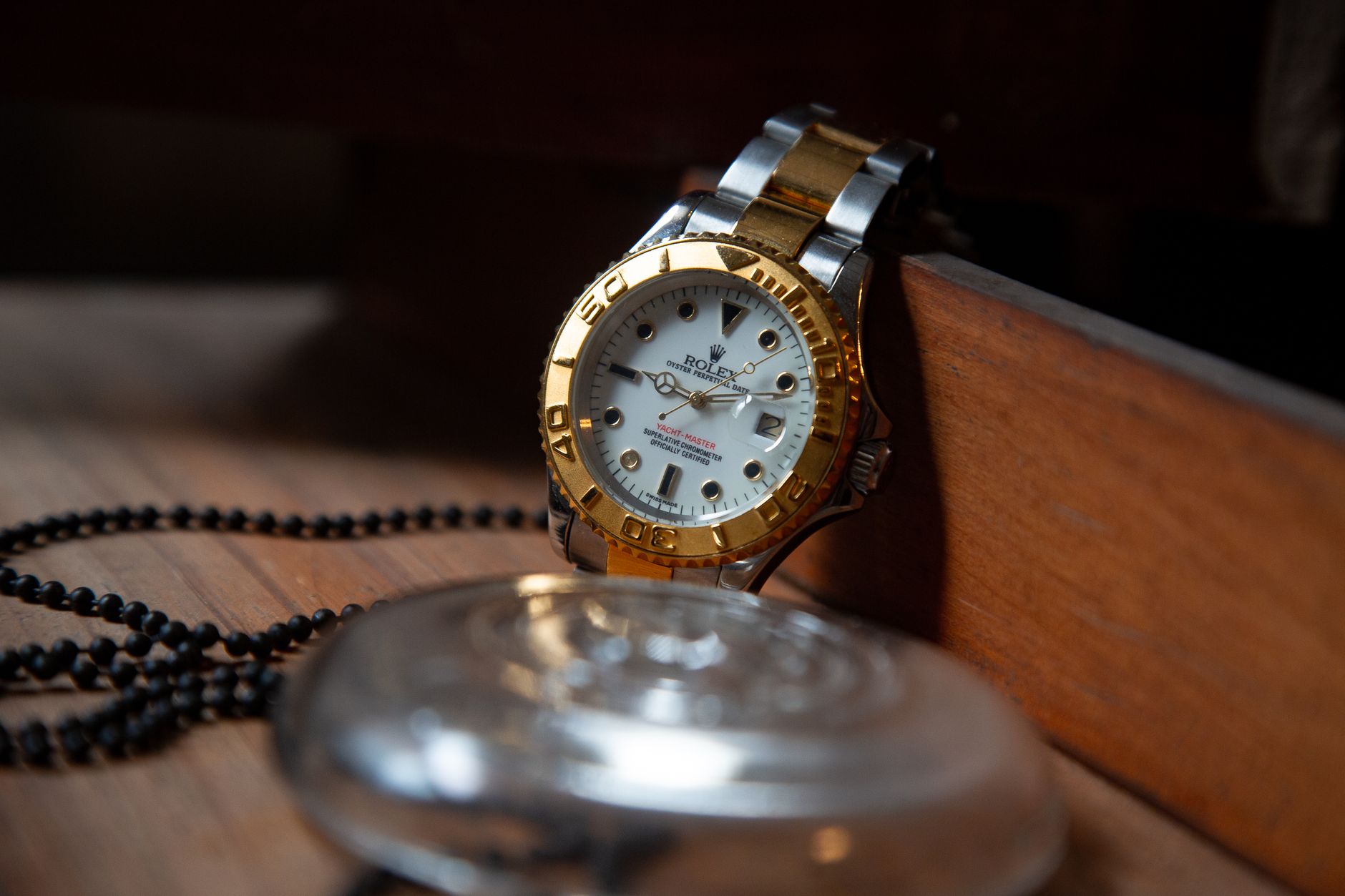
Detecting bootleg rolex watches requires a multi-sensory approach that combines visual, tactile, and technical analysis. The first step is often the “weight test.” Authentic luxury watches possess a specific heft due to the density of the 904L steel and the complexity of the mechanical movement. Many replicas feel “light” or “hollow,” a sensation caused by the use of less dense alloys and simplified internal structures. While not definitive, a discrepancy in weight is a significant red flag.
The second layer of inspection involves the “functionality audit.” This includes checking the smoothness of the date change mechanism, the resistance of the bezel, and the precision of the winding crown. In many unauthorized pieces, the date change occurs abruptly at midnight rather than the gradual transition seen in authentic models. Furthermore, the “click” of the bezel should feel consistent and precise; a mushy or overly loud clicking sound often points to inferior spring tension and manufacturing tolerances.
Finally, the most advanced method involves examining the “micro-details” that are difficult for mass-production machinery to replicate perfectly. This includes:
- The alignment of the cyclops lens over the date window.
- The depth and sharpness of the engravings on the case back.
- The presence of microscopic imperfections in the hands’ finishing.
- The consistency of the color temperature in the ceramic bezel.
Expert collectors often use horological tools like loupes and UV lights to inspect the authenticity of the luminous material and the integrity of the gaskets. By focusing on these granular details, one can differentiate between a high-value asset and a sophisticated imitation. Ultimately, the ability to navigate this landscape depends on continuous education and an uncompromising commitment to technical scrutiny.