
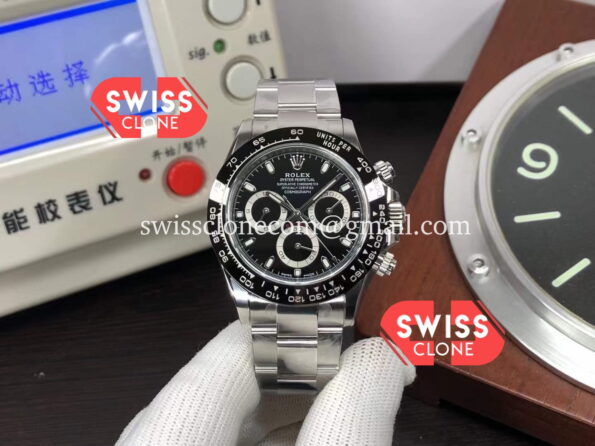
The Technical Hierarchy of Unauthorized Timepiece Production
The landscape of bootleg rolex watches is far from a monolithic entity of cheap imitations. Instead, it functions as a tiered ecosystem where engineering precision dictates market value. At the lowest level, we find mass-produced quartz units that merely mimic the aesthetic silhouette without any mechanical soul. These pieces often fail the moment they are subjected to basic physical stress, as their components lack the structural integrity found in genuine horology.
However, the real complexity emerges in the upper echelon of production, where manufacturers attempt to replicate the specific weight, luster, and kinetic energy of a genuine Oyster Perpetual or Submariner. This is where the technical hierarchy becomes fascinating. We see a shift from simple aesthetic mimicry to deep-level mechanical engineering.

Moving deeper into the technical layers, the distinction between a basic replica and a high-end “super clone” becomes apparent through the movement architecture. While entry-level pieces use generic movements, advanced unauthorized pieces utilize modified mechanical calibers. These engineered components aim to replicate the specific sweeping second hand motion and the rhythmic oscillation of a genuine Rolex movement, often utilizing 28.800 vph frequencies to match the authentic beat rate.
Material Discrepancies and Metallurgical Indicators
When analyzing the physical composition of these timepieces, the metallurgical differences are often the first giveaway for a trained eye. Authentic Rolex pieces utilize 904L steel, a high-performance alloy known for its extreme corrosion resistance and specific luster. In the bootleg rolex watches ecosystem, many mid-tier producers use standard 316L stainless steel. While 316L is high quality, it lacks that specific “bright” sheen that 904L provides under direct sunlight.
The weight distribution also plays a massive role in the tactile experience. A high-tier clone might get the density right, but the ceramic bezel inserts often lack the depth of color found in genuine Cerachrom. You might notice a slight translucency in cheaper ceramic substitutes—a detail that disappears under a 10x loupe. I once inspected a piece where the gold plating looked perfect at a distance, but the edges of the lugs showed microscopic thinning, revealing a base metal underneath.
The Role of Dial Printing and Micro-Printing Accuracy
The dial is the heart of the visual identity. In the most sophisticated bootleg rolex watches, the printing process involves sophisticated pad printing or even tampography to mimic the crispness of the original. However, the micro-printing—those tiny words near the bottom of the dial—is where the ecosystem’s limitations show. In lower-tier versions, these characters often appear slightly blurred or “bleeding” into the dial surface.
The application of luminous material, or Super-LumiNova, is another critical metric. Authentic dials use a precise thickness of lume that glows with a specific hue. Many unauthorized versions use a generic phosphorescent paint that may glow brighter initially but fades much faster than the genuine counterpart. Precision in the alignment of the hour markers (the “indices”) is also a hallmark of high-end production; even a 0.1mm deviation can break the illusion of authenticity.
Economic Impacts and the Secondary Market Landscape
The existence of a highly sophisticated bootleg rolex watches market creates a complex ripple effect throughout the global luxury economy. It isn’t just about lost sales for the manufacturer; it’s about the distortion of the secondary market. When high-tier clones enter the ecosystem, they can complicate the valuation of pre-owned authentic pieces, especially for non-expert buyers who might struggle to differentiate between a “super clone” and a genuine vintage model.
This secondary market landscape is driven by a massive influx of capital into unauthorized manufacturing hubs. The demand for “near-perfect” replicas has turned what was once a small-scale operation into a multi-billion dollar global industry. 
The economic pressure also affects the “grey market” of authentic watches. As the gap between a $500 clone and a $15,000 authentic watch narrows in terms of visual appearance, the psychological barrier to purchasing unauthorized pieces lowers. This creates a cycle where the prestige of the original is constantly being challenged by the accessibility of the high-end imitation.
Detection Strategies for Professionals and Enthusiasts
For those involved in the trade or serious collectors, developing a toolkit of detection strategies is mandatory. You cannot rely on a single glance; it requires a systematic approach involving light, magnification, and physical testing. The goal is to find the “break point” where the engineering of the clone fails to meet the standard of the original.
The following checklist is a starting point for any technical inspection:
- Weight Verification: Use a precision scale to compare the grams against known authentic specifications.
- Lume Consistency: Check for the specific color temperature of the luminescence under UV light.
- Magnification Check: Inspect the “rehaut” (the inner ring) for the presence of the engraved serial number and the laser-etched crown.
- Movement Sound: Listen for the “heartbeat” of the watch; an irregular or overly loud ticking can indicate a generic movement.
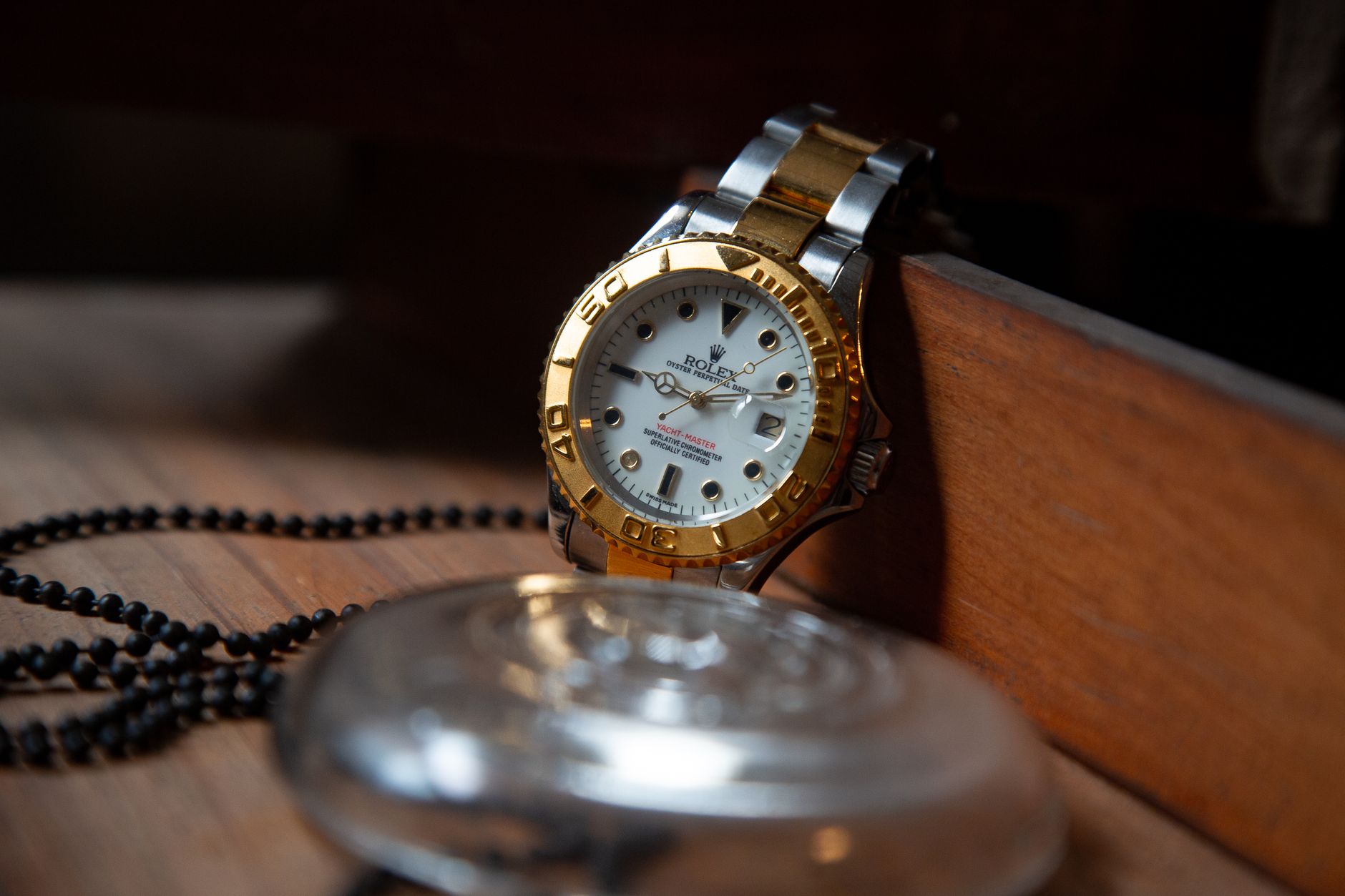
Another vital strategy involves checking the “feel” of the components. The smoothness of the bezel click, the tactile resistance of the screw-down crown, and the way the bracelet links move together are all indicators of manufacturing quality. A “scratchy” bezel rotation is a definitive sign of a lower-tier production unit. If you are inspecting a piece, always check the underside of the lugs; this is where manufacturers often skip the fine finishing work.
Comparative Analysis: Authentic vs. High-Tier Clone
To truly understand the ecosystem, we must look at the technical specifications side-byical. The following table outlines the primary differences found during a technical audit of these two categories.
| Feature | Authentic Rolex | High-Tier Clone | Entry-Level Bootleg |
|---|---|---|---|
| Steel Grade | 904L Stainless Steel | 316L Stainless Steel | Low-grade Alloy |
| Movement | In-house Caliber (COSC) | Modified Clone Caliber | Generic Quartz/Mechanical |
| Bezel Material | Cerachrom Ceramic | Anodized Aluminum/Ceramic | Painted Aluminum |
| Water Resistance | Certified (Oysterlock) | Unreliable/Tested | None/Minimal |
As the table demonstrates, the gap is closing in terms of “visual” features like bezel material, but the “functional” features like movement stability and water resistance remain the primary differentiators. While a high-tier clone might fool a casual observer, it rarely survives the rigors of daily use that an authentic piece handles with ease.
Frequently Asked Questions
How can I tell if a watch is a high-end clone just by looking at it?
It is extremely difficult without tools. You should look for inconsistencies in the micro-printing on the dial and the luster of the metal. If the “gold” looks too yellow or the “steel” looks too dark, it is likely a clone.
Are the movements in high-tier clones actually reliable?
They are more reliable than cheap versions, but they lack the long-term chronometric stability of an authentic Rolex. They are engineered for aesthetics, not for decades of precision.
Does the weight of the watch matter in detection?
Yes, significantly. Authentic Rolex watches have a very specific density due to the 904L steel and the complex internal architecture. A lighter watch is a major red flag.
Final Thoughts on the Horological Ecosystem
The ecosystem of bootleg rolex watches is a testament to the incredible advancements in unauthorized manufacturing. It is a world of high-stakes engineering, where the line between imitation and reality is thinner than ever. While the technical achievements of the “super clone” are impressive, they remain an echo of the original’s craftsmanship. For those seeking the true essence of horology, the distinction lies not just in what you see, but in the heritage and precision that no clone can truly replicate.
If you are looking for unparalleled quality and precision in your timepiece collection, explore the standards set by Swiss Clone. We focus on the technical excellence that defines true luxury.
