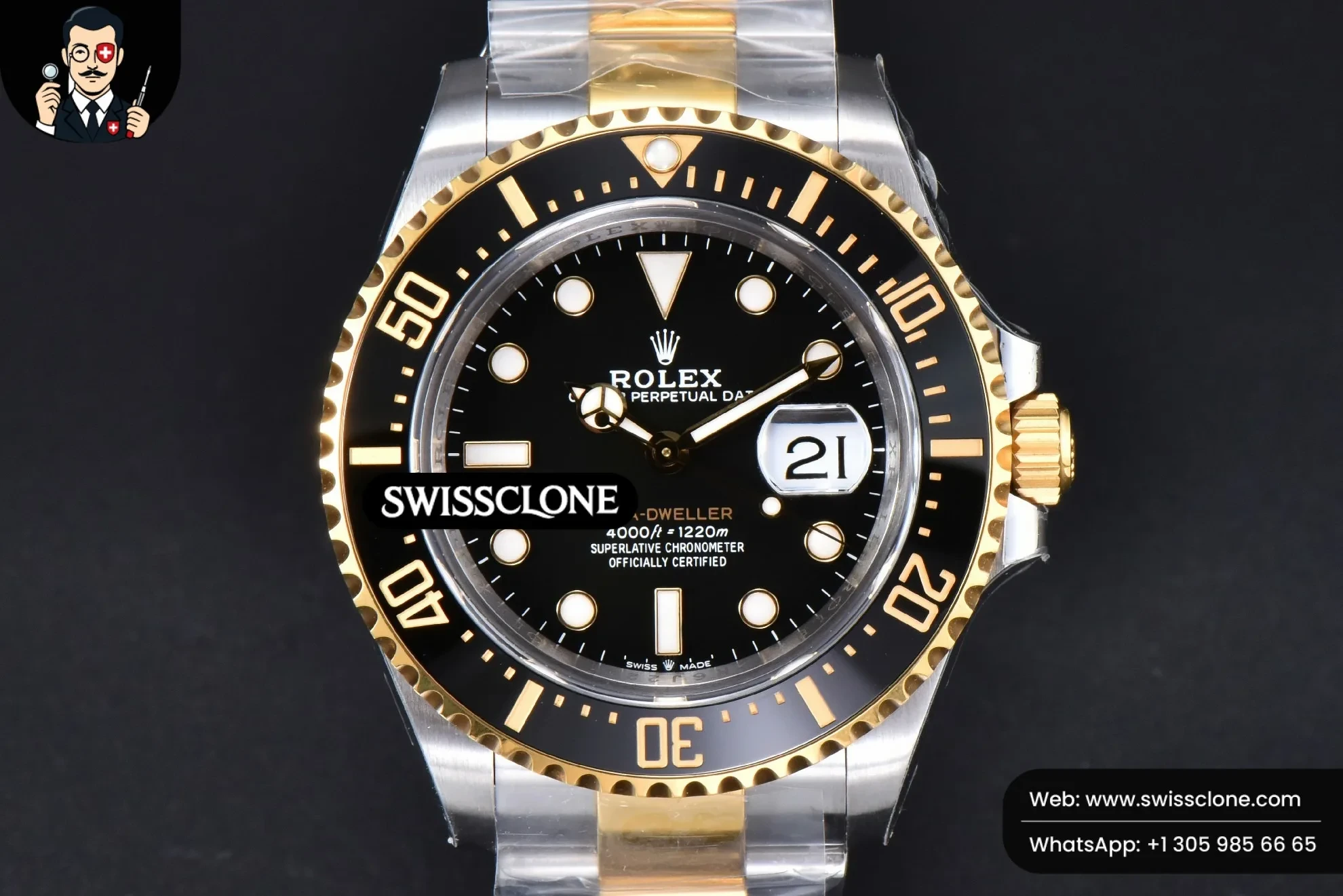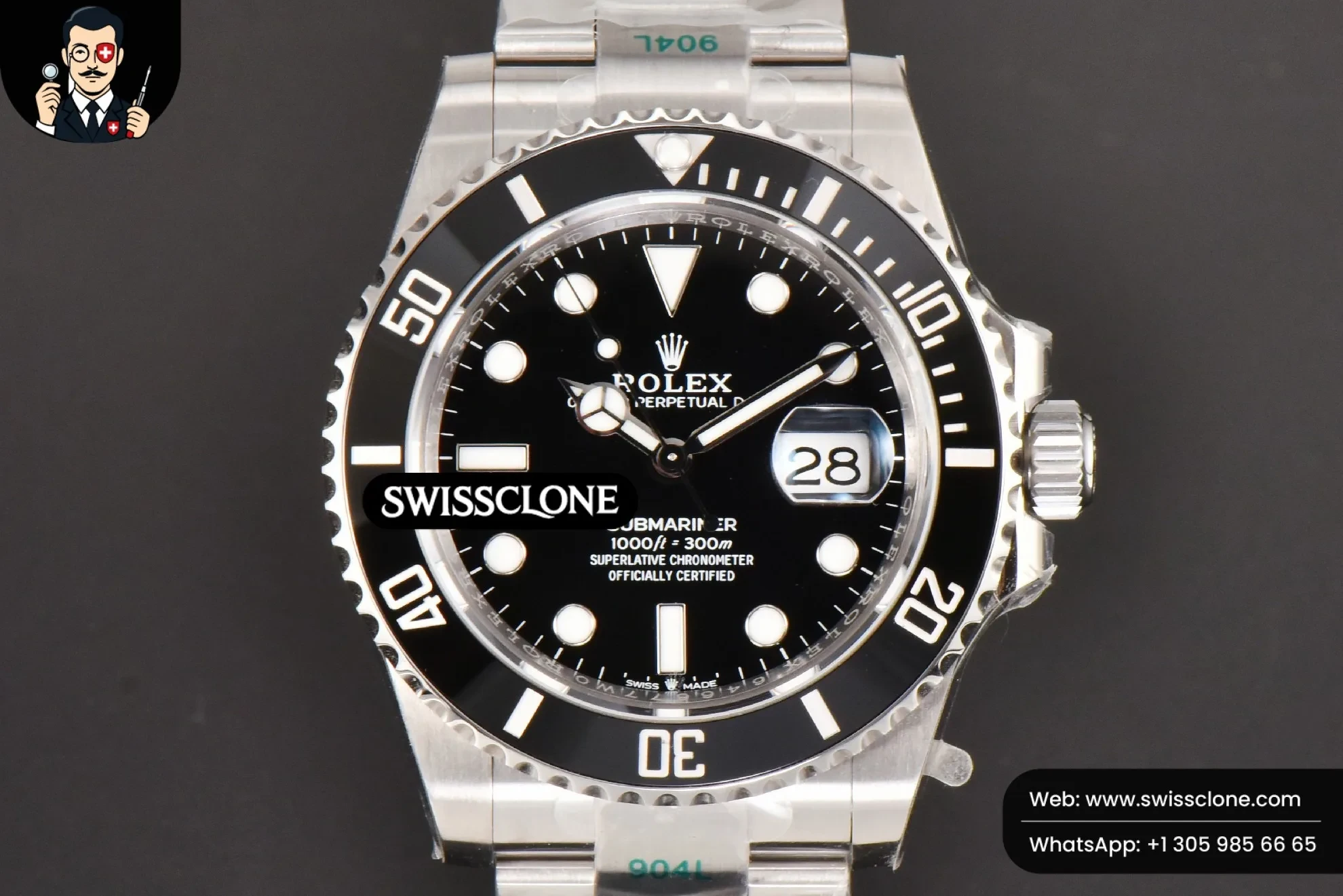
What Defines a True 1:1 Super Clone Watch Calibre on a Digital Timegrapher?
A true 1:1 super clone watch calibre is a reverse-engineered mechanical movement built to the exact plate geometry, jewel count, escapement lift angle, and barrel torque curve of its Swiss counterpart rather than using a decorated base movement with non-functional bridge overlays. When placed on a Weishi 1900 or Witschi Chronoscope at full mainspring wind, a genuine cloned calibre reveals its architecture immediately through its required lift-angle setting. Standard Chinese 2824 and Miyota 9015 bases read accurately at 50 to 52 degrees; a Dandong VS3235 or DD3285 uses Rolex’s modified Chronergy-style escapement geometry and requires a 53-degree lift angle to report true balance wheel amplitude, otherwise the screen under-reports amplitude by 14 to 18 degrees and misleads buyers during pre-shipment inspection.
Over 48-hour bench runs across dial-up, crown-down, and crown-left positions, factory movement pairings separate into clear mechanical tiers. Collectors browsing the complete 1:1 super clone watch catalog often focus on case brushing first, yet long-term winding smoothness and calendar reliability live entirely inside the movement barrel and keyless works.
How Do the Top 18 Cloned Watch Movements Compare in Bench Telemetry?
Across 18 production super clone calibres tested at full wind after a 24-hour settling period, Dandong’s DD4130, DD3285, and VS3235 lead in positional stability (-2 to +3 sec/day) and measured power reserve (68 to 71 hours), followed closely by 3K Factory’s ultra-thin 3.3mm 324 S C. Use the reference table below before reading any factory QC video; checking a movement with the wrong lift angle or ignoring beat error above 0.6 milliseconds is the fastest way to miss a magnetized hairspring.
| Cloned Calibre | Primary Factory | Target Brand & Line | Freq (vph) | Lift Angle | Full-Wind Amplitude | Measured Reserve | Thickness |
|---|---|---|---|---|---|---|---|
| Dandong VS3235 | VS Factory (VSF) | Rolex Submariner 41 / DJ 41 | 28,800 | 53° | 268° – 286° | 69 – 71 hrs | 6.0 mm |
| Shanghai VR3235 | Clean Factory / ARF | Rolex Datejust 36 & Submariner | 28,800 | 52° | 272° – 290° | 40 – 44 hrs | 6.0 mm |
| Dandong DD3285 | Clean Factory | Rolex GMT-Master II 126710 | 28,800 | 53° | 265° – 284° | 68 – 70 hrs | 6.5 mm |
| Dandong DD4130 | Clean / BT Factory | Rolex Daytona 116500LN | 28,800 | 52° | 278° – 296° | 68 – 70 hrs | 6.5 mm |
| Dandong DD4131 | Clean / VSF | Rolex Daytona 126500LN | 28,800 | 52° | 274° – 292° | 68 – 70 hrs | 6.5 mm |
| 3KF Cal. 324 S C | 3K Factory (3KF) | Patek Nautilus 5711 / 5167A | 28,800 | 51° | 270° – 288° | 41 – 45 hrs | 3.3 mm |
| PPF Cal. 240 PS IRM | PPF Factory | Patek Nautilus 5712 Moonphase | 21,600 | 51° | 262° – 280° | 44 – 48 hrs | 3.98 mm |
| Dandong Cal. 4302 | APS Factory / ZF | AP Royal Oak 15500 / 15510 | 28,800 | 52° | 272° – 289° | 66 – 70 hrs | 4.9 mm |
| Dandong Cal. 4401 | APS Factory | AP Royal Oak Chrono 26240 | 28,800 | 52° | 270° – 288° | 64 – 68 hrs | 6.8 mm |
| VSF Co-Axial 8800 | VS Factory | Omega Seamaster Diver 300M | 25,200 | 52° | 266° – 284° | 50 – 54 hrs | 4.6 mm |
| VSF Co-Axial 8900 | VS Factory | Omega Aqua Terra 150M | 25,200 | 38° / 52° | 264° – 282° | 56 – 60 hrs | 5.5 mm |
| VSF Cal. P.9010 | VS Factory | Panerai Luminor & Submersible | 28,800 | 52° | 268° – 285° | 58 – 62 hrs | 6.0 mm |
| BVF Cal. 1847 MC | BV Factory | Cartier Santos 35mm / 40mm | 28,800 | 50° | 275° – 292° | 40 – 42 hrs | 3.8 mm |
| ZF Cal. MT5402 | ZF Factory | Tudor Black Bay 58 | 28,800 | 52° | 274° – 290° | 42 – 46 hrs | 4.99 mm |
| V7F Sellita SW300 | V7 Factory | IWC Mark XX & Portofino | 28,800 | 50° | 280° – 298° | 42 – 46 hrs | 3.6 mm |
| BLS Cal. B01 Chrono | BLS Factory | Breitling Navitimer B01 | 28,800 | 52° | 268° – 286° | 52 – 58 hrs | 7.2 mm |
| BBR Cal. RMUL2 | BBR Factory | Richard Mille RM 055 / RM 35-02 | 28,800 | 52° | 265° – 282° | 48 – 52 hrs | 3.15 mm |
| BBR / JB RD820SQ | JB / BBR Factory | Roger Dubuis Excalibur Spider | 21,600 | 52° | 258° – 278° | 56 – 60 hrs | 6.38 mm |
Why Does VS3235 Read Lower Amplitude Than DD4130 Without Being Defective?
The VS3235 intentionally runs a longer, thinner mainspring inside a single barrel to reach a 70-hour power reserve, producing a healthy dial-up amplitude of 265 to 285 degrees at 53 degrees lift angle rather than the 290-degree readings seen on 40-hour ETA clones. Buyers who judge every mechanical watch by old ETA 2824 rules reject perfectly healthy VS3235 and DD3285 movements because a shop technician left the timegrapher locked at 52 degrees. At 52 degrees, a healthy 272-degree VS3235 displays roughly 254 degrees on screen. Always check three numbers together: daily rate between -4 and +6 seconds per day, beat error at or below 0.4 milliseconds, and a straight trace line free of scattered ultrasonic snow.
Which Movement Architecture Fails Fastest When Set in the Calendar Danger Zone?
Modular moonphase, annual-calendar, and Valjoux-7750-derived chronograph movements suffer immediate date-jumper tooth shear if quick-set between 9:00 PM and 3:00 AM watch time, whereas integrated jump-hour calibres like the DD3285 and VS3235 use cam-loaded or independent hour-hand indexing that resists gear binding. Whenever you unbox a complicated piece such as a PPF 5712 moonphase or IWC Portugieser, pull the crown to time-setting position first, advance the hands past 6:30 so both date cams sit completely disengaged, and only then actuate pushers or crown quick-set detents.
Verified In-Stock 1:1 Timepieces Ready for 48-Hour Witschi QC
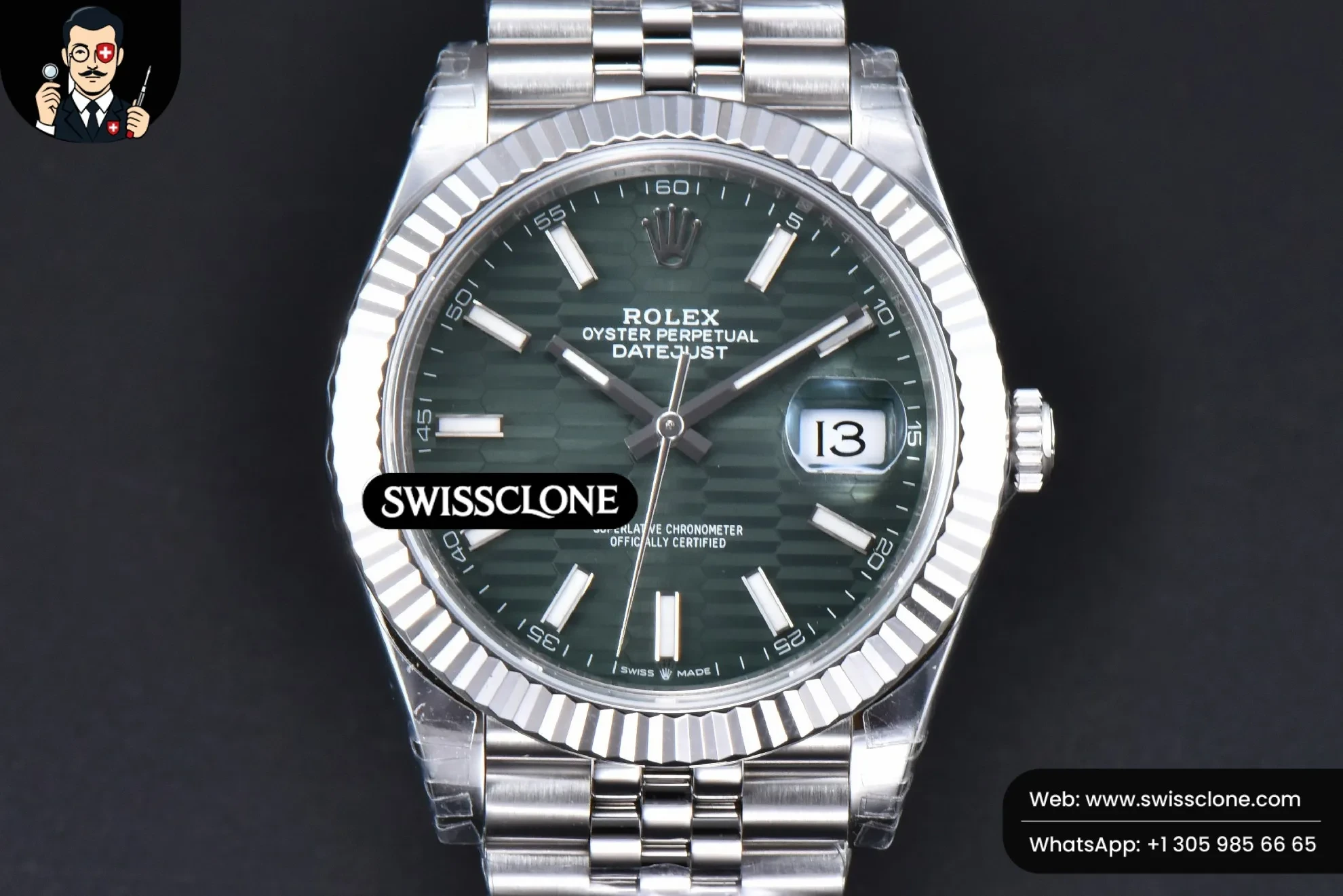
Rolex DateJust 41mm 126334 904L Green Motif Dial Jubilee VS3235
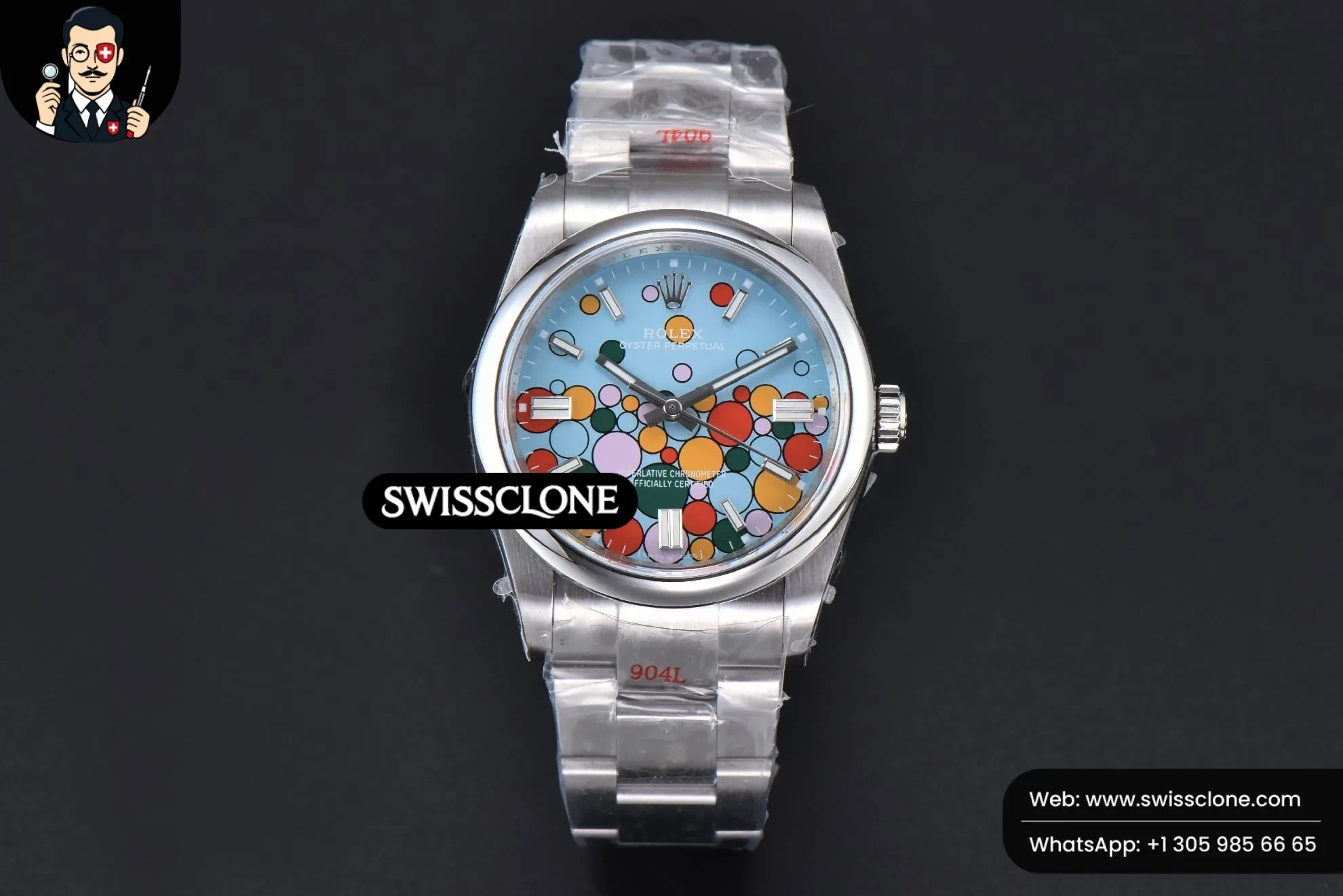
Rolex Oyster Perpetual 126000 36mm 904L Smooth Bezel Tiffany Ballon Blue Dial
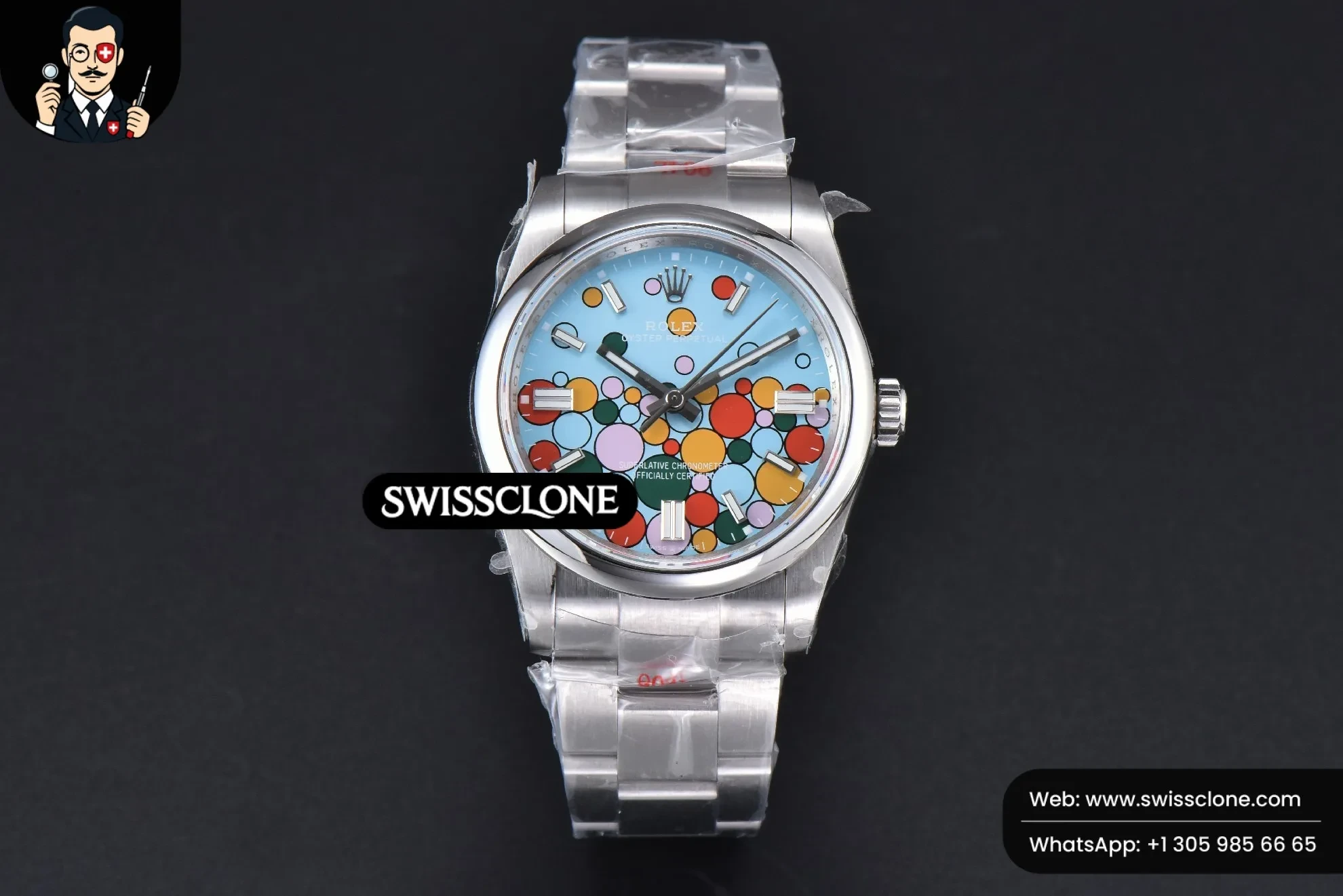
Rolex Oyster Perpetual 126300 41mm 904L Smooth Bezel Tiffany Blue Ballon Dial