
What are Super Clone Watches and how do they differ from standard replicas?
Super Clone Watches represent the highest tier of horological replication. While standard AAA or standard replica watches utilize generic Asian movements and 316L steel with visual flaws, super clones feature exact cloned automatic movements, 28,800 beats per hour (VPH), instant midnight date transitions, solid 904L Oystersteel cases, and genuine Swiss Super-LumiNova luminescence.
The Technical Anatomy of High-Fidelity Replications
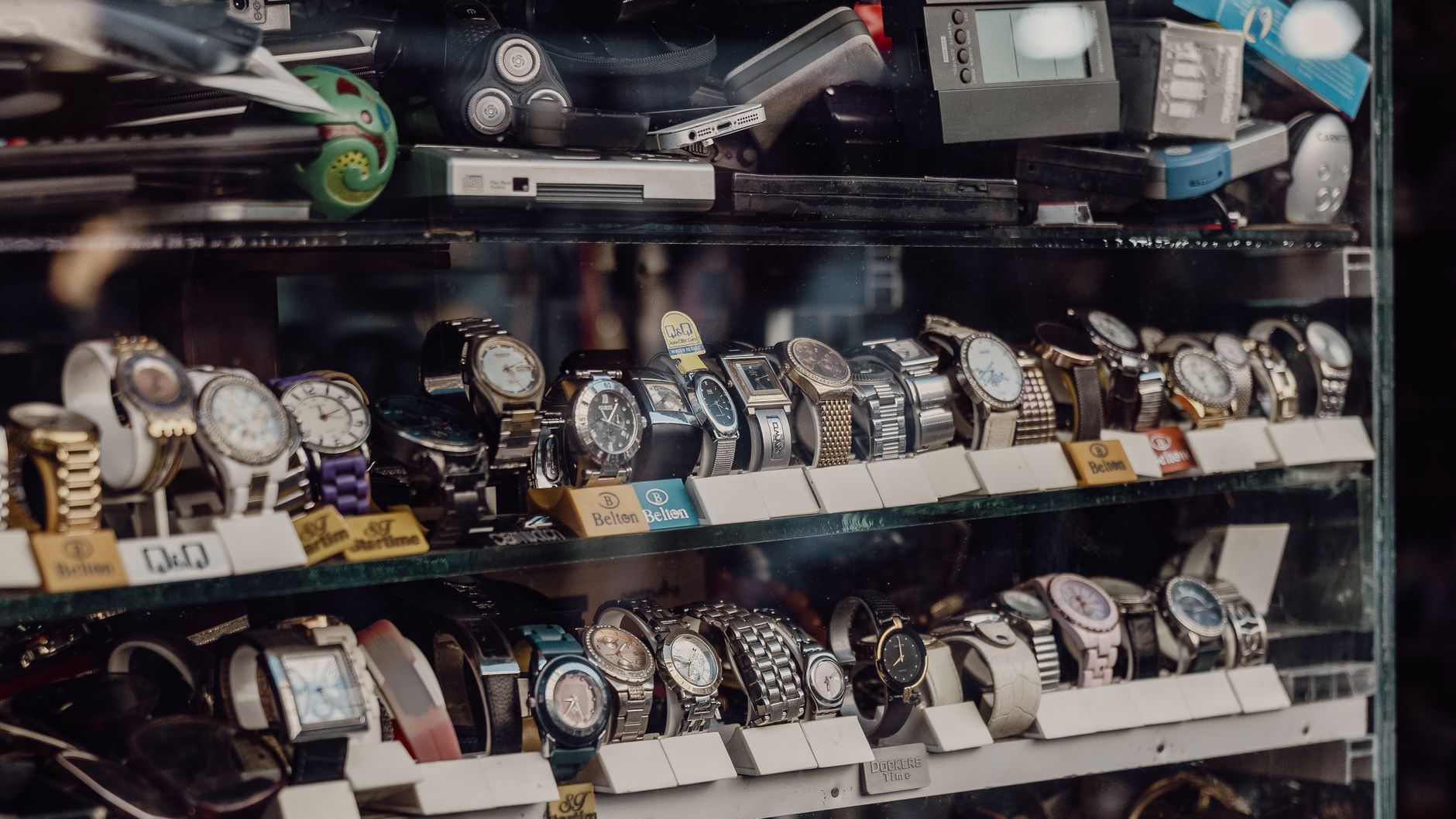
When we talk about decoding replicas deep, we aren’t discussing the cheap, lightweight imitations found in street markets. The term super clone watches refers to a specific tier of horological engineering where the goal is a 1:1 structural correspondence with the original reference. Unlike standard replicas that merely mimic the exterior, these pieces focus on the internal architecture—the caliber itself.
Achieving this level of precision requires advanced CNC (Computer Numerical Control) machining. Engineers use high-grade 316L or 904L stainless steel to ensure the case weight and luster match the authentic counterpart. Every bridge, screw, and gear is meticulously calibrated to replicate the original’s torque and oscillation frequency. It is a pursuit of mechanical perfection that transcends simple aesthetics.

Mechanical Integrity and Movement Calibration
The heart of a super clone lies in its movement. While a basic replica might use a generic Chinese movement, a true super clone utilizes a modified clone of a specific caliber, such as the Rolex 3235 or the Patek Philippe 26-330S. This involves replicating the escapement, the hairspring, and the complex oscillating weight. If the beat rate deviates even slightly, the illusion of authenticity shatters.
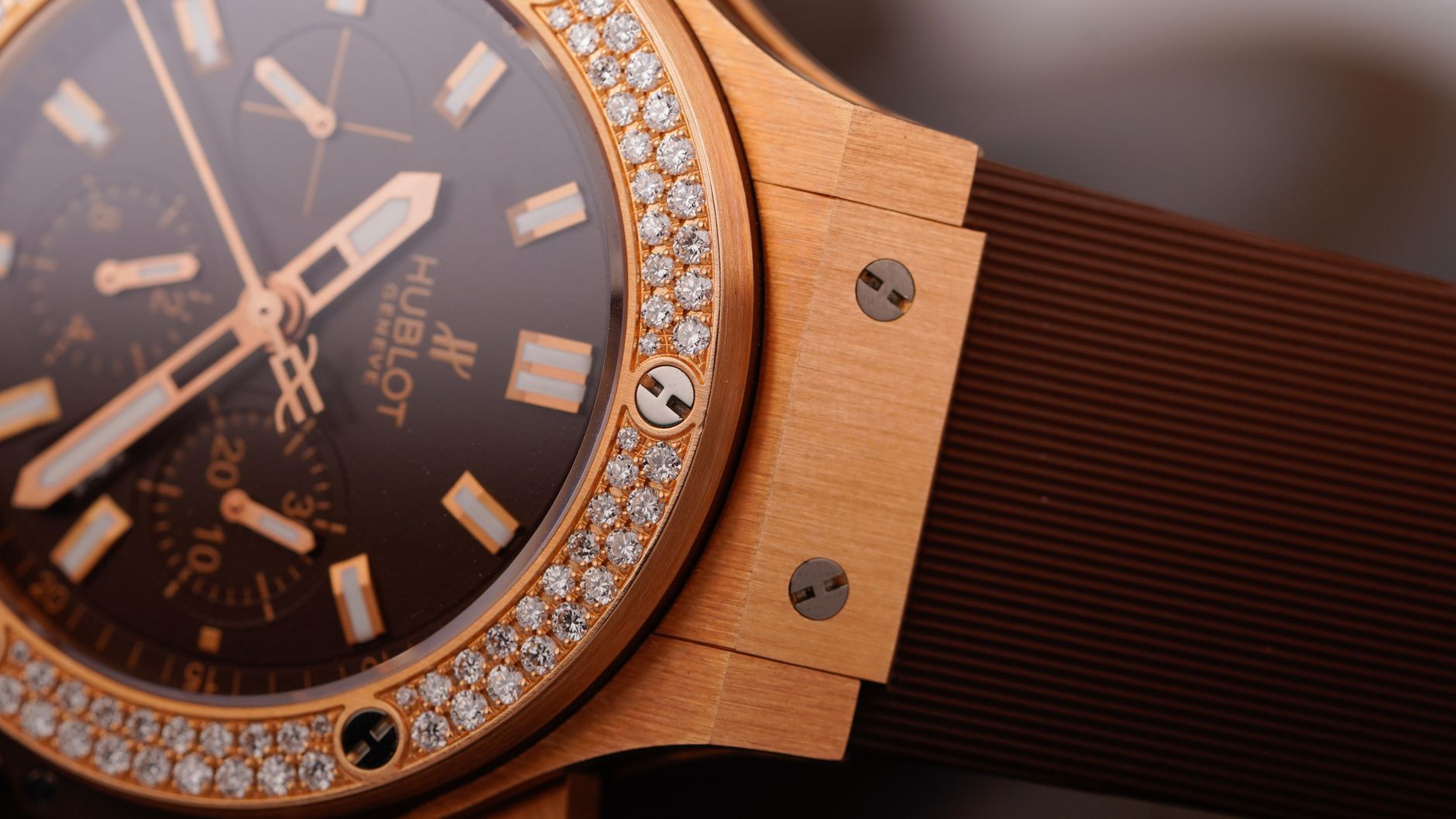
Precision engineering also extends to the finishing. We see hand-applied perlage, Côtes de Genève, and polished chamfers on the bridges. These details are not just for show; they represent the technical difficulty of the manufacturing process. When you examine the movement under a loupe, the depth of the engravings and the smoothness of the surfaces are what define the “super” in super clone watches.
Market Dynamics and the Collector’s Dilemma
The secondary market for luxury timepieces is increasingly volatile. As prices for authentic pieces from brands like Audemars Piguet or Richard Mille skyrocket, a segment of enthusiasts seeks the aesthetic experience without the six-figure investment. This creates a complex market dynamic where the demand for high-fidelity replicas grows alongside the scarcity of genuine assets.
Collectors often face a difficult choice. On one hand, there is the prestige of owning an original; on’t the other, there is the sheer technical capability of modern clones. This dilemma isn’t just about money—it’s about the value placed on the “soul” of the watch versus the physical reality of its construction. Swiss Clone understands that for many, the tactile sensation of a heavy, well-balanced timepiece is the primary driver of satisfaction.
The Ethical and Legal Landscape of Precision Replicas
Navigating this industry requires an understanding of the legal boundaries. The production of high-end replicas exists in a grey area of intellectual property law. While the craftsmanship is undeniable, the unauthorized use of brand logos and patented designs remains a significant legal hurdle for manufacturers. This tension drives the industry toward more “unbranded” high-end movements that focus on quality rather than overt branding.
For the consumer, the risks involve more than just legality. There is the risk of purchasing a “super clone” that is actually a low-tier replica. Distinguishing between a high-grade clone and a superficial imitation requires a deep dive into the materials used, such as the sapphire crystal clarity and the ceramic bezel’s scratch resistance.
Identifying the Boundaries of Authenticity
How do you tell the difference when the visual cues are nearly identical? Identifying the boundaries of authenticity requires looking at the “unseen” elements. This includes the weight distribution, the way the light interacts with the dial’s lacquer, and the tactile feedback of the rotating bezel. A true super clone will have the same “click” and resistance as the original.
We often suggest checking the following technical specifications when evaluating a high-end piece:
- Material Composition: Ensure the use of 904L steel for that specific silvery luster found in premium brands.
- Crystal Integrity: Look for anti-reflective (AR) coatings that do not produce a heavy purple or blue tint.
- Movement Stability: The power reserve should be consistent, typically ranging between 48 to 70 hours depending on the caliber.
- Weight Accuracy: The gram-for-gram weight must match the official manufacturer’s specifications.
The Role of Forensic Horology in Authentication
In the world of high-stakes collecting, forensic horology—the study of watch components to determine origin—is becoming vital. Experts use X-ray imaging to inspect the internal structure of movements without opening the case. They look for specific machining marks that are unique to certain factories. This level of scrutiny makes it increasingly difficult for even the best super clone watches to pass as originals under professional inspection.
However, for the everyday enthusiast, the focus remains on the “wearability” and the immediate sensory experience. If the weight, the clasp mechanism, and the dial depth all align with the reference model, the replica achieves its primary purpose: providing the luxury experience through superior engineering.
Future Projections for the Luxury Replica Industry
Looking ahead, the gap between high-end replicas and originals is narrowing due to the democratization of 3D printing and advanced metallurgy. We expect to see even more complex complications, such as tourbillons and perpetual calendars, appearing in the super clone market. The technical barrier to entry is rising, forcing manufacturers to innovate constantly.
The industry is also moving toward more sustainable production methods. As the cost of raw materials like gold and platinum fluctuates, the focus is shifting toward high-grade ceramics and advanced alloys. This evolution ensures that the pursuit of the “perfect clone” remains a highly technical and ever-changing field.

Comparison: Standard Replica vs. Super Clone
| Feature | Standard Replica | Super Clone Watch |
|---|---|---|
| Movement | Generic/Modified Chinese | Caliber-specific Clone |
| Case Material | Alloy or 316L Steel | 904L Steel or Titanium |
| Weight | Light/Inaccurate | 1:1 Mass Accuracy |
| Dial Detail | Printed/Flat | Multi-layered/Applied |
| Longevity | Low (Months) | High (Years with care) |
Frequently Asked Questions
- What exactly makes a watch a “super clone”?
- A super clone is defined by its internal mechanical accuracy. It isn’t just about the look; it’s about using CNC-machined parts that replicate the original movement’s architecture and weight.
- Can a super clone be identified by weight alone?
- Weight is a primary indicator. Most high-end replicas use the same density of steel and sapphire, making the weight nearly indistinguishable from the original to the untrained hand.
- Are these watches durable for daily wear?
- When sourced from reputable providers like Swiss Clone, these pieces are built with high-grade materials designed to withstand daily use, often featuring water resistance and scratch-resistant crystals.
Understanding the nuances of the high-end replica market requires a technical mindset. Whether you are a collector or an enthusiast, knowing the difference between a superficial imitation and a precision-engineered super clone is essential. If you are looking for unparalleled craftsmanship and mechanical accuracy, explore the curated collections at Swiss Clone to experience the pinnacle of horological replication.
