


The Anatomy of a Knock Off Rolex: A Deep Dive into the Counterfeit Watch Industry

Navigating the high-end horology market requires more than just an eye for aesthetics; it demands a rigorous understanding of authenticity markers. When discussing a knock off rolex, we are not merely talking about cheap imitations found in street markets, but a sophisticated ecosystem of replicas that attempt to mimic complex mechanical movements and premium materials. This industry operates on a spectrum ranging from low-tier fashion accessories to high-end “super clones” that deceive even seasoned collectors. Understanding this spectrum involves analyzing manufacturing precision, material science, and the deceptive artistry used to replicate iconic design language.
The proliferation of these imitations stems from the astronomical resale value and prestige associated with authentic luxury timepieces. A knock off rolex often targets the psychological desire for status without the requisite capital investment. Collectors frequently encounter these pieces in secondary markets, where the line between a well-maintained vintage piece and a high-quality replica becomes blurred. Distinguishing between them necessitates a technical examination of the case geometry, the weight of the 904L steel, and the specific luster of the ceramic bezels. Precision in this identification process saves more than just money; it preserves the integrity of the collector’s portfolio.
True expertise in horology involves recognizing that a counterfeit is rarely a single, uniform product. Instead, it is a tiered hierarchy of manufacturing quality. The entry-level versions might use basic quartz movements and plated metals, whereas the advanced iterations utilize modified Swiss-grade movements and sapphire crystals. This complexity makes the detection of a knock off rolex a significant challenge for the uninitiated. Professionals rely on tactile feedback, such as the smoothness of the sweeping second hand and the specific click tension of the unidirectional bezel, to begin their assessment.
Identifying Technical Discrepancies in High-Tier Replicas
The most significant battleground in the counterfeit industry lies in the movement architecture. While a basic imitation might use a generic Miyota movement, a high-end knock off rolex attempts to replicate the Calibre 3235 or 3135 architecture. These replicas often feature a decorated rotor and oscillating weight that visually mimic the perlage and Geneva stripes found in genuine luxury pieces. However, the depth of the engravings and the precision of the screw heads often reveal the truth under magnification. An expert looks for the “heartbeat” of the watch, analyzing the beat rate and the stability of the amplitude during a 24-hour period.
Material composition serves as another primary indicator of authenticity. Authentic luxury watches utilize specific alloys, such as Oystersteel, which provides a unique resistance to corrosion and a particular sheen. A knock off rolex often falls short in the metallurgical department, using 316L steel which, while high quality, lacks the specific refractive properties of the genuine article. Furthermore, the weight distribution of the bracelet and the clasp mechanism often feels “off” to a trained hand. The tactile sensation of the micro-adjustment system in the Oysterlock clasp is notoriously difficult for counterfeiters to replicate with perfect tension.
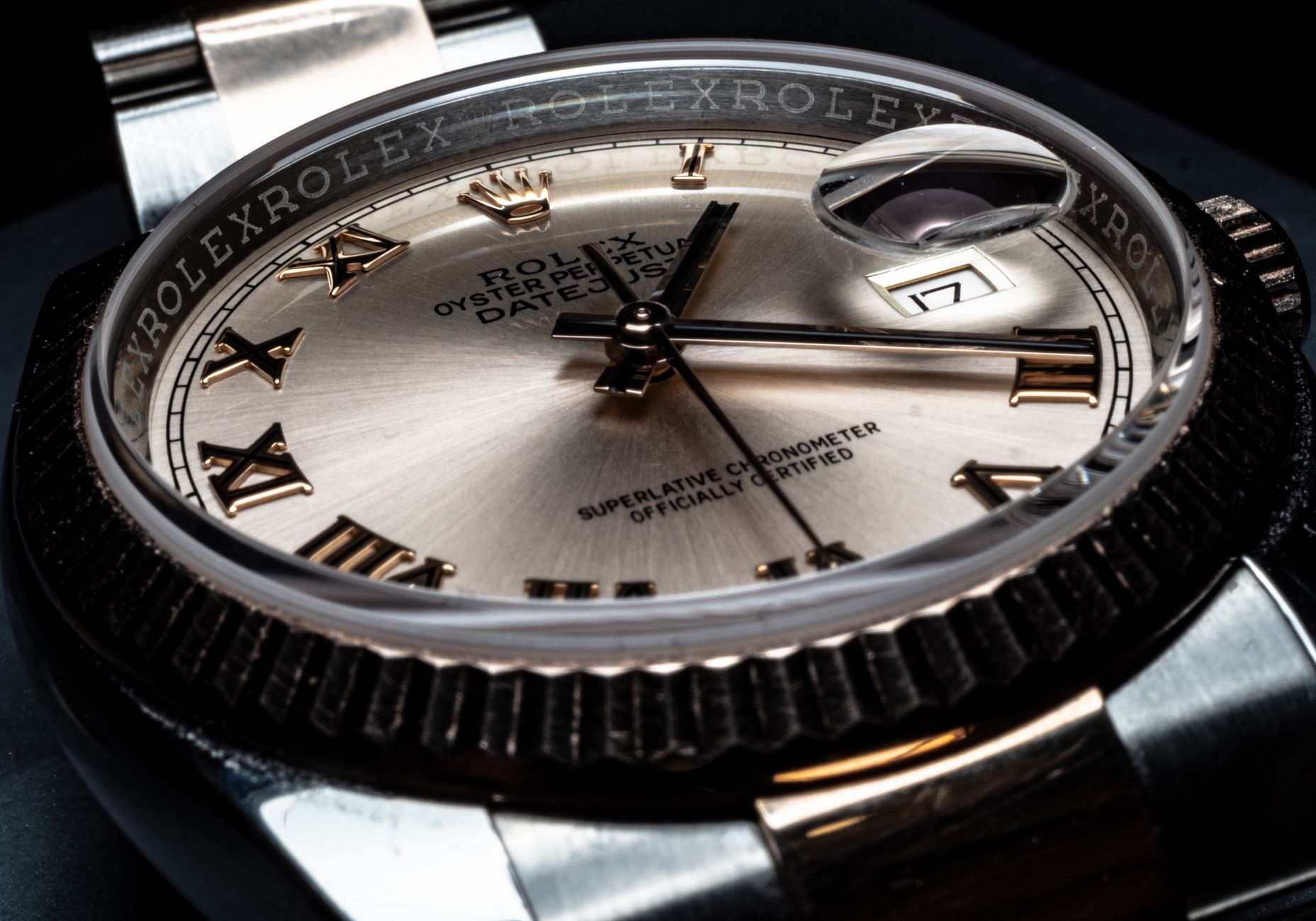
The dial and hands represent the aesthetic soul of the timepiece, making them prime targets for deceptive craftsmanship. Examine the typography of the date window, specifically the font used for the numerals. In a genuine piece, the font is perfectly centered and possesses a specific weight. A knock off rolex might exhibit slight misalignments or “bleeding” in the printed indices. The lume, or luminous material, also provides a clue; authentic watches use high-grade Super-LumiNova that glows with a specific chromatic signature, whereas replicas often use cheaper, shorter-lived phosphorescent pigments that degrade rapidly.
The Role of Macro Photography in Detecting Fakes
In the digital age, macro photography has become an indispensable tool for verifying timepieces remotely. By examining high-resolution images of the rehaut—the inner ring between the dial and the crystal—one can search for the engraved serial numbers and branding. In a high-quality knock off rolex, these engravings might appear too shallow or lack the sharp, clean edges characteristic of laser-etched authentic components. Zooming in on the minute hand’s tip can also reveal microscopic burrs or uneven finishes that suggest a lower manufacturing standard.
Furthermore, the clarity of the sapphire crystal under extreme magnification can expose flaws in the anti-reflective coating. Authentic luxury watches feature a subtle, blue or clear tint that disappears at certain angles. Counterfeiters struggle to match this precise optical interference pattern. Analyzing the way light interacts with the cyclops lens—the magnifying bubble over the date—is equally vital. A genuine lens provides a distortion-free magnification of exactly 2.5x, whereas a knock off rolex might introduce slight chromatic aberration or a lack of depth in the magnification effect.
The Economic and Ethical Implications of the Replica Market

The economic impact of the counterfeit watch industry extends far beyond the loss of revenue for luxury conglomerates. The existence of a high-quality knock off rolex creates a distorted market perception, where the scarcity and value of authentic pieces are threatened by an influx of “near-perfect” imitations. This market drives up the price of genuine pre-owned models, as collectors scramble to secure verified assets. It also creates a complex legal landscape for secondary dealers who must implement rigorous authentication protocols to protect their reputation and liability.
From an ethical standpoint, the production of these items often involves unregulated manufacturing environments with questionable labor practices. The supply chain for a knock off rolex is frequently opaque, involving various tiers of subcontractors that bypass international trade regulations. This lack of transparency makes it difficult to ensure that the materials used are ethically sourced or that the assembly processes adhere to any standard of environmental responsibility. For the serious collector, the decision to avoid replicas is often rooted in a commitment to supporting transparent and traceable luxury craftsmanship.
Moreover, the proliferation of replicas undermines the concept of “heritage” in horology. The value of a luxury watch is intrinsically linked to its provenance and the historical continuity of its design. When a knock off rolex enters the ecosystem, it dilutes the cultural significance of the original design. The artistry involved in creating a genuine masterpiece is a multi-generational endeavor, whereas the replica is a reactive, derivative product. This distinction is vital for maintaining the long-term prestige and investment potential of the luxury watch market as a whole.
Market Volatility and the Secondary Value Trap
Investors often view luxury watches as alternative assets, but this strategy becomes extremely dangerous when dealing with unverified pieces. The “value trap” occurs when a buyer acquires a high-quality replica, believing it to be a genuine asset, only to find its resale value is zero. Because a knock off rolex lacks the documented history and authenticity certificates of a real timepiece, it cannot be traded on professional platforms. This total loss of liquidity is the primary risk for anyone entering the secondary market without the necessary technical expertise or access to third-party authentication services.
The volatility of the luxury market is exacerbated by the difficulty in distinguishing between “frankenwatches”—authentic watches assembled from various genuine parts—and high-end replicas. A collector might find a watch that appears authentic in every way, yet contains a counterfeit movement or a replaced dial. This ambiguity necessitates a holistic approach to valuation, where every component is scrutinized against known manufacturing eras. Relying solely on the visual appearance of a watch without verifying its internal components is a recipe for financial catastrophe in the high-stakes world of horology.
Advanced Verification Strategies for Professional Collectors
To move beyond basic observation, professionals employ acoustic and mechanical testing. The “ticking” sound of a watch, or the frequency of the escapement, can be analyzed using sensitive microphones. A genuine luxury movement possesses a specific, rhythmic cadence that is difficult to mimic with cheaper, high-beat movements used in a knock off rolar. Additionally, testing the water resistance through pressure testing can reveal if the gaskets and case seals are of the standard required for a luxury instrument or merely cosmetic additions found in replicas.
Another sophisticated method involves the use of X-ray fluorescence (XRF) spectroscopy to analyze the elemental composition of the metal. This non-destructive testing can definitively distinguish between 904L steel and 316L steel by identifying the specific percentages of chromium, nickel, and molybdenum. While this technology is typically reserved for laboratories, it represents the pinnacle of authentication. For the individual collector, the most accessible “pro” strategy remains the rigorous study of factory-specific deviations, such as the exact placement of the “Swiss Made” text at the bottom of the dial, which can vary slightly between production years.
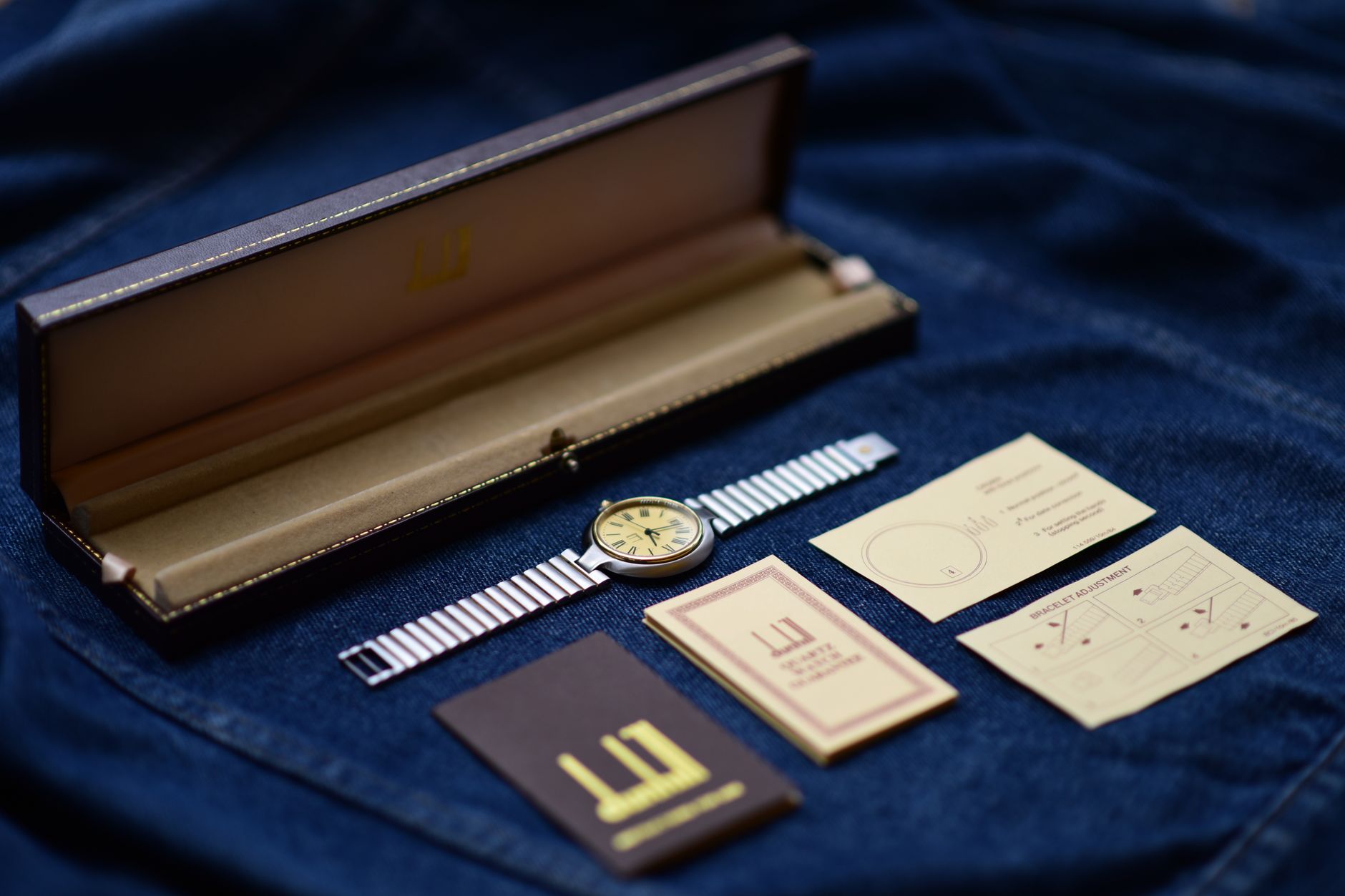
Finally, the documentation trail remains the most robust defense against deception. A complete set, including the original green hangtag, the warranty card with matching serial numbers, and the box, provides a layer of security that a standalone watch cannot. While sophisticated counterfeiters do forge papers, the difficulty of replicating the specific paper texture, the holographic elements, and the precise ink density of the warranty booklets provides a significant hurdle. Always cross-reference the serial number on the case with the number printed on the official documentation to ensure they are an inseparable pair.
Ultimately, the pursuit of authenticity in the face of a high-quality knock rolex requires a blend of scientific inquiry and historical knowledge. The market will continue to evolve, with manufacturing techniques becoming increasingly precise and deceptive. Staying informed through reputable horological forums, attending physical inspections, and understanding the metallurgical and mechanical nuances of the industry are the only ways to navigate this complex landscape. True luxury is found not in the imitation of a brand, but in the verifiable reality of the craftsmanship itself.