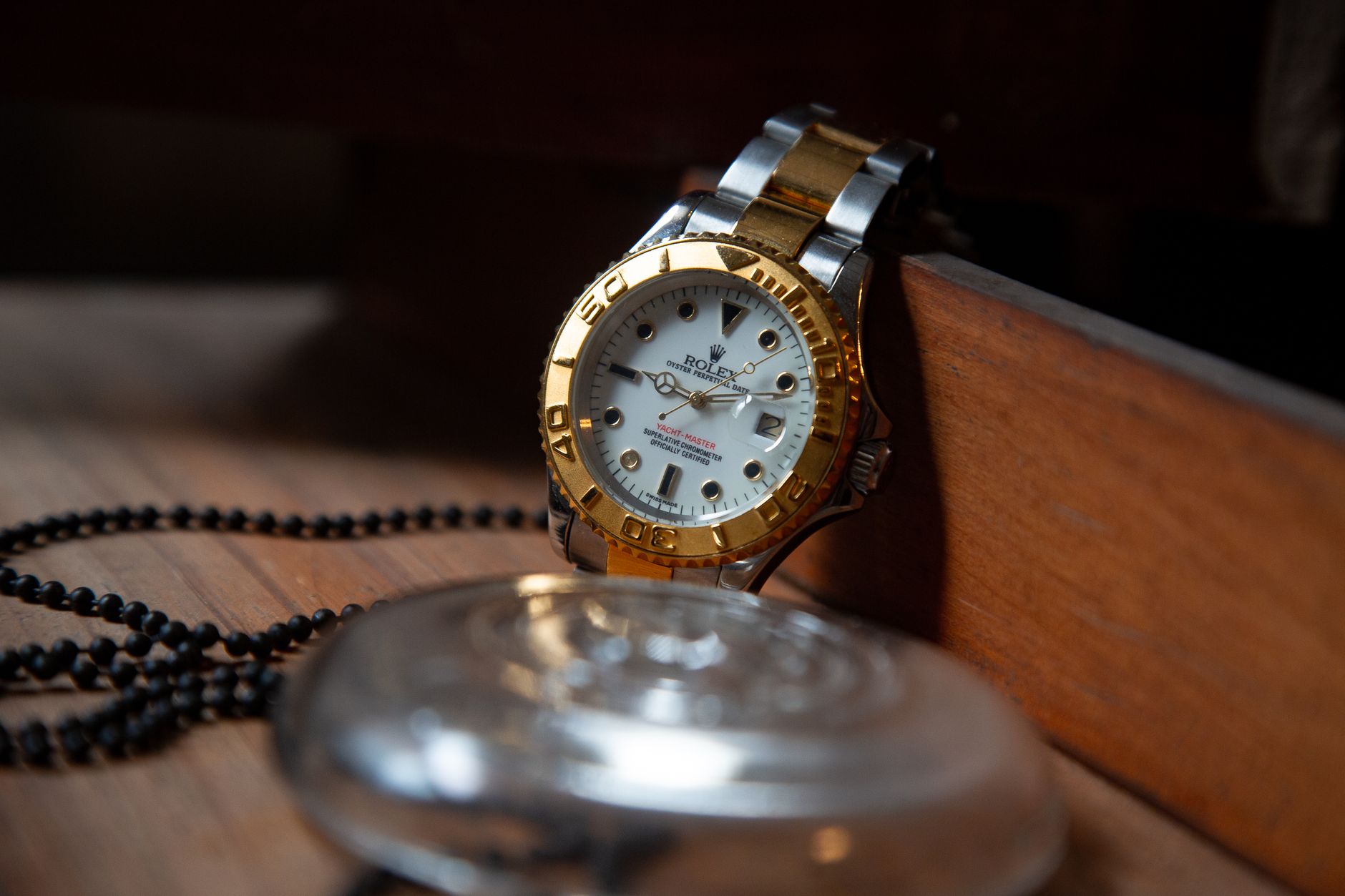
Decoding the Manufacturing Tiers of High-End Replicas
The landscape of the imitation rolex market is far from monolithic. When we perform a technical evaluation, we see a clear hierarchy of production quality that separates disposable trinkets from high-end engineering. At the lowest tier, mass-produced counterfeits rely on cheap alloy metals and basic quartz movements, often failing within weeks of use. These pieces lack the weight and tactile feedback expected from luxury horology, feeling hollow and unnaturally light on the wrist.
Moving up the spectrum, we encounter “superclones.” These are engineered with a focus on the anatomy of the original. Manufacturers use 316L stainless steel and attempt to replicate the specific luster of 18k gold plating. The difference lies in the precision of the finishing; high-end replicas undergo rigorous polishing to ensure the bezel edges and lugs match the original’s geometry. 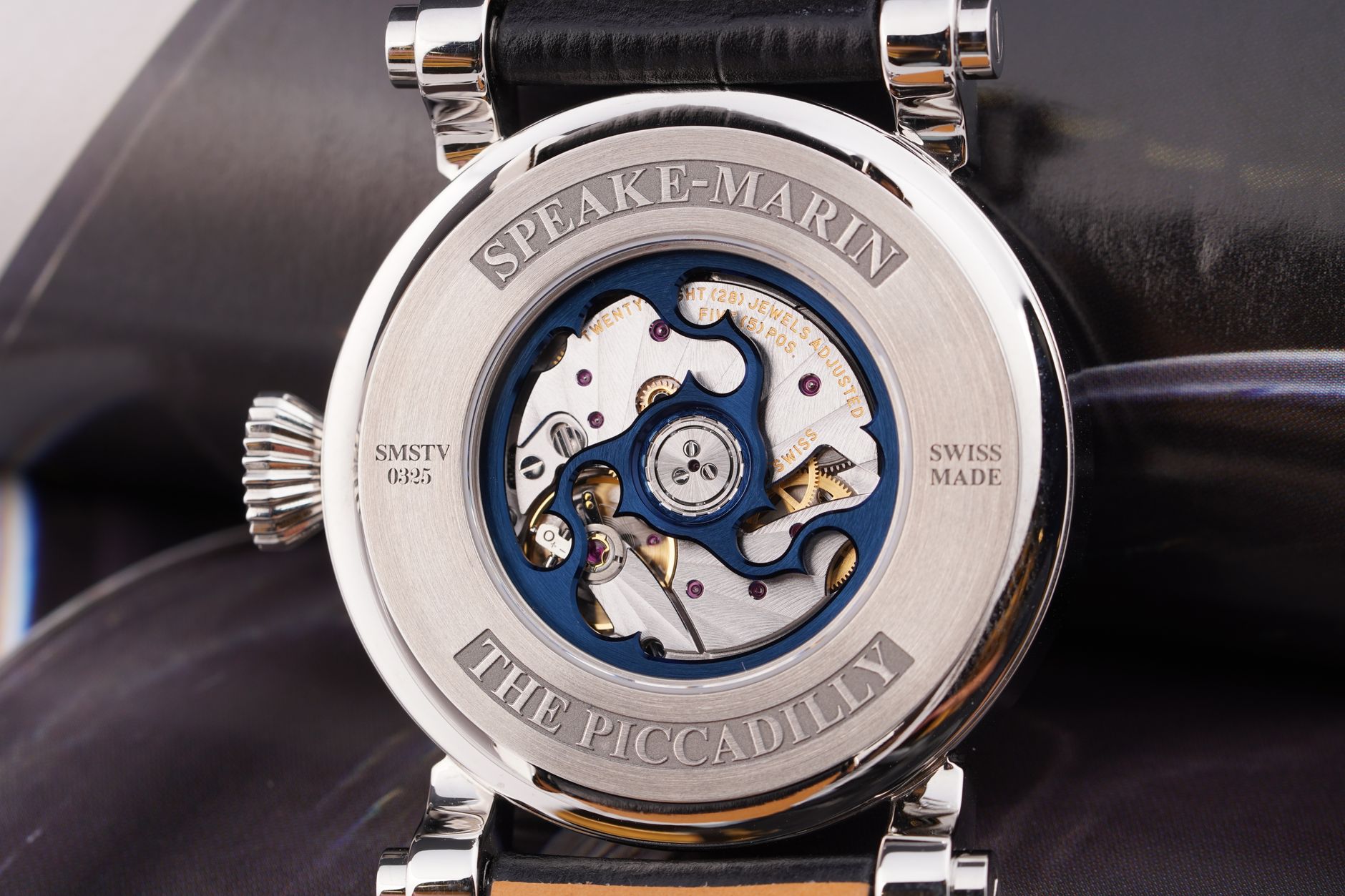
The third tier, often referred to as “Master Replicas,” attempts to bridge the gap in micro-mechanics. Here, the focus shifts from mere aesthetics to the tactile experience of the crown winding and the smoothness of the bezel rotation. While these pieces are significantly more expensive, the complexity of replicating the exact tension of a Rolex spring increases the failure rate if the workshop lacks precision CNC machinery.
The Role of Material Authenticity in Counterfeit Quality
Material composition is the first hurdle in any technical evaluation of an imitation rolex. Authentic luxury watches utilize specific grades of steel and precious metals that resist corrosion and maintain a permanent luster. In the replica market, the use of 904L stainless steel—the same grade used by Rolex—is the gold standard for high-tier clones. If a watch feels “cold” and heavy, it likely contains a higher density of quality steel.
We often see lower-grade replicas using 316L or even base metals with thin plating. These materials react poorly to skin acidity and sweat, leading to rapid discoloration or “pitting” on the case back. When examining a piece, look closely at the lugs; if you see any signs of uneven color or a yellowish tint that looks “painted” rather than embedded, you are looking at a low-tier production. __K#K_PRESERVE_IMG_1__
The weight of the bracelet also serves as a critical diagnostic tool. A genuine-feeling replica must account for the density of the links. Cheap imitations often use hollow links to save on material costs, which results in a “jangly” sound when the bracelet moves. A high-quality piece, much like those curated at Swiss Clone, focuses on solid-link construction to ensure the heft matches the original’s profile.
Technical Discrepancies in Movement and Caliber Replication
The heart of any timepiece is its movement. In the world of an imitation rolex, the movement can range from a simple battery-operated quartz to a complex, modified automatic caliber. The most significant technical challenge for counterfeiters is replicating the oscillating weight and the precise beat rate of the escapement. Many mid-tier replicas use cloned ETA movements, which are reliable but lack the specific chronometric precision of a Rolex-manufactured caliber.
When we inspect these movements, we look for the “sweep” of the seconds hand. A stuttering motion is a dead giveaway of a low-quality movement. High-end clones aim for a smooth, continuous motion that mimics the high-frequency vibration of a genuine Rolex. 
Furthermore, the complications—such as date windows, moon phases, or GMT functions—are where most replicas fail. A poorly executed date change mechanism might jump erratically at midnight rather than transitioning smoothly. To truly understand the mechanical depth, you should observe the movement through a sapphire crystal case back if available, noting the presence of perlage or Geneva stripes, which are often absent in cheaper versions.
Evaluating the Integrity of the Water Resistance Seals
Water resistance is perhaps the most overlooked aspect of replica evaluation. While a luxury watch is designed to withstand pressure, many imitations are merely “splash resistant.” The gaskets and O-rings used in mass-produced counterfeits are often made of low-grade rubber that degrades quickly when exposed to humidity or temperature shifts.
A technical inspection involves checking the crown’s screw-down mechanism. If the threading feels coarse or lacks the smooth resistance of a precision-machined screw, the seal is likely compromised. We recommend never submerging a high-tier replica in water unless you have verified the integrity of the gaskets personally.
The Economic and Ethical Landscape of the Replica Market
The market for high-end replicas is driven by a complex interplay of desire and accessibility. For many, the allure of the aesthetic without the $20,000 price tag is irresistible. However, this economic ecosystem supports a massive, often unregulated, manufacturing infrastructure. The cost of a “superclone” can sometimes rival the price of a genuine entry-level luxury watch, creating a strange overlap in the secondary market.
From a technical standpoint, the money spent on a replica goes toward the precision of the tooling. The more expensive the replica, the more likely the manufacturer has invested in high-precision CNC (Computer Numerical Control) machines.

Ethically, the debate is polarized. While some view it as a victimless crime of “style replication,” the impact on the intellectual property of master horologists is undeniable. As a consumer, understanding that you are paying for a “tribute” rather than an “original” is essential for managing expectations regarding long-term value and resale potential.
Identifying Common Red Flags in the Secondary Market
Navigating the secondary market requires a keen eye for detail. Many sellers use professional photography to mask fundamental flaws. To avoid being misled, you must look beyond the glossy exterior. The first red flag is often the “weight discrepancy.” If the seller cannot confirm the use of 316L or 904L steel, proceed with extreme caution.
Other indicators of a low-quality piece include:
- Inconsistent Font Weight: The lettering on the dial (the typeface) should be crisp and uniform. Blurry or unevenly thick letters indicate poor printing technology.
- Lume Performance: High-quality replicas use Super-LumiNova. If the glow is dim or disappears almost instantly, the luminous material is of inferior grade.
- Bracelet Clasp Alignment: The clasp should snap shut with a definitive, solid “click.” A loose or rattling clasp suggests poor tolerances in the manufacturing process.
Always ask for macro photography of the rehaut (the inner ring between the dial and crystal). This is where many counterfeiters fail to replicate the fine engravings accurately.
Comparison of Replica Tiers
To simplify the technical evaluation, we have categorized the three primary tiers found in the current market landscape.
| Feature | Tier 1: Mass-Produced | Tier 2: Superclone | Tier 3: Master Replica |
|---|---|---|---|
| Material | Alloy / Zinc | 316L Stainless Steel | 904L Steel / Gold |
| Movement | Basic Quartz | Modified Automatic | High-Beat Caliber Clone |
| Finishing | Rough / Polished | High Precision | Mirror Polish / Hand-finished |
| Durability | Low (Weeks) | Moderate (Years) | High (Long-term) |
Frequently Asked Questions
Can a high-end replica be serviced by a professional?
Most high-tier clones use movements that are derivatives of standard Swiss or Japanese calibers. A skilled watchmaker can often service them, provided they have the correct parts for the specific movement clone.
How can I verify the steel grade of a replica?
While a professional XRF (X-ray fluorescence) analyzer is the only definitive way, you can look for signs of corrosion. 316L and 904L are highly resistant to oxidation; if the watch shows rust after minimal contact with salt water, it is a low-grade alloy.
Is the sapphire crystal on replicas scratch-resistant?
In “Superclone” and “Master” tiers, sapphire crystal is standard. However, in cheaper tiers, you may find mineral glass, which scratches much more easily.
Evaluating an imitation rolex requires moving past the surface-level aesthetics and looking into the metallurgical and mechanical reality of the piece. Whether you are a collector of high-end tributes or simply curious about the engineering behind them, the technical details define the true value. If you are looking for precision-engineered timepieces that prioritize material integrity, explore the curated selections at Swiss Clone.
// This is a placeholder for the system to handle the SC/Shortcode injection