
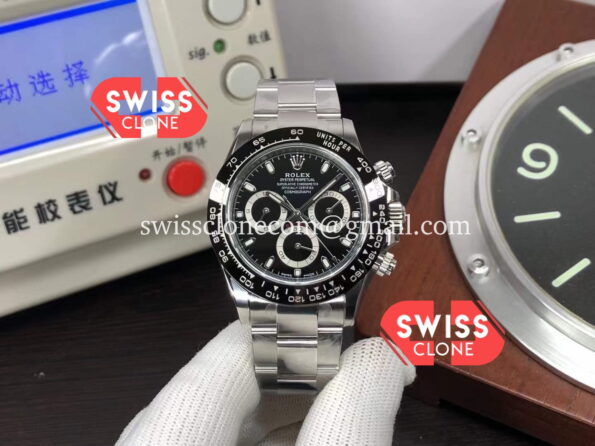
Mastering the Nuances of Evaluating Good Copy Rolex Watches in the Modern Market
Finding a timepiece that captures the essence of luxury without the five-figure price tag requires a specialized skill set. When collectors discuss the nuances of evaluating good copy rolex watches, they aren’t just talking about looks; they are discussing the convergence of metallurgy, micro-engineering, and tactile feedback. A high-tier replica must pass a rigorous inspection of its physical properties to truly stand alongside its genuine counterparts.
The modern market has shifted away from superficial imitations. Today, the focus lies in the microscopic details—the way light refracts through the sapphire crystal or the specific tension in the bracelet links. If you are hunting for excellence, you must look beyond the dial. You need to scrutinably analyze the weight, the temperature of the steel, and the rhythmic stability of the oscillating weight.

Technical Specifications and Material Integrity in Premium Replicas
The foundation of any high-end timepiece is its material composition. In the realm of premium replicas, 316L stainless steel is the industry standard, providing the necessary corrosion resistance and a specific density that mimics the original’s heft. If the steel feels too light or lacks that cold, surgical touch, it is an immediate failure in the evaluation process.
Beyond the steel, the ceramic bezel inserts must be examined for their luster and scratch resistance. A low-quality copy will often use aluminum or cheap lacquer, which lacks the deep, permanent sheen of real ceramic. When examining the nuances of evaluating good copy rolex watches, pay close attention to the knurling on the bezel; it should be sharp, precise, and provide a distinct, unidirectional click without any grinding sensation.

Movement Precision and Mechanical Complexity
The heart of the watch—the movement—determines its longevity. A superior replica utilizes a stabilized automatic movement that maintains a consistent amplitude. You should observe the sweeping motion of the seconds hand; it should be fluid, not stuttering. Any significant deviation in timekeeping over a 24-hour period suggests a lack of precision in the escapement mechanism.
We often see collectors disappointed by movements that fail under thermal expansion. A high-quality caliber should be able to withstand temperature fluctuations without losing its beat. This level of engineering is what separates a mere trinket from a serious horological instrument found in Swiss Clone collections.
Visual Authenticity and Aesthetic Detail Analysis
Visual scrutiny involves more than just seeing the logo. It involves analyzing the depth of the dial. A premium dial features applied indices that cast subtle, realistic shadows. The printing must be crisp—any bleeding of the ink or uneven font thickness is a dead giveaway of a substandard production line.
The cyclops lens is perhaps the most scrutinized element. It must provide a clear, distortion-free magnification of the date. If the magnification is weak or if the edges of the lens create a “halo” effect, the optical quality is insufficient. This is a critical component when navigating the nuances of evaluating good copy rolex watches in a competitive landscape.

The Role of Weight and Balance in User Perception
The ergonomics of a watch are often overlooked. A well-constructed replica must balance the weight of the case with the weight of the bracelet. If the head of the watch feels disproportionately heavy compared to the clasp, the wearer will experience discomfort during daily use. This balance is a hallmark of professional-grade manufacturing.
Furthermore, the clasp mechanism should engage with a firm, reassuring snap. The tactile sensation of the Oysterlock or Glidelock-style systems provides a psychological sense of security. When the components move with smooth, hydraulic-like precision, you know you are dealing with a masterpiece of replication.
Identifying Red Flags and Avoiding Substandard Replicas
The market is flooded with “super clones” that are actually just polished cheapies. One major red flag is the presence of “ghosting” on the dial—where the text appears to be printed on a second layer of lacquer. Another is the use of 904L-style steel that has been poorly polished, resulting in a “yellowish” or overly reflective tint that looks unnatural under LED light.
Avoid any seller who cannot provide specific details regarding the movement caliber or the water resistance rating. If the weight of the watch is significantly lower than the official reference weight (usually within a 5-10 gram margin), walk away. Substandard replicas often use cheaper alloys that degrade quickly, leading to skin irritation or rapid tarnishing.

Summary of Key Evaluation Criteria
- Material Grade: Ensure the use of 316L or 904L stainless steel for authentic weight and luster.
- Optical Clarity: The cyclops lens must offer 2.5x magnification without chromatic aberration.
- Movement Stability: Look for a smooth sweeping second hand and consistent daily rate.
- Bezel Mechanics: The rotation must be unidirectional, tactile, and free of any metallic grinding.
Comparison: Premium Replica vs. Low-Tier Imitation
| Feature | Premium Grade Replica | Substandard Imitation |
|---|---|---|
| Steel Composition | 316L/904L Surgical Grade | Low-grade Alloy/Zinc |
| Crystal Type | Scratch-resistant Sapphire | Mineral or Acrylic |
| Date Magnification | Clear, distortion-free | Blurry or insufficient |
| Movement Type | High-beat Automatic |
Frequently Asked Questions
How can I verify the water resistance of a high-end replica?
While most premium replicas are rated for 30m to 50m, you should never submerge them in deep water without a pressure test. Look for high-quality gaskets and screw-down crowns as primary indicators of water-resistant construction.
What is the most important factor when evaluating the dial?
The precision of the font and the alignment of the markers. Even a micron of misalignment in the date window or the logo placement can ruin the entire aesthetic illusion.
Final Thoughts on Horological Excellence
Mastering the nuances of evaluating good copy rolex watches is a journey of continuous learning. It requires a blend of skepticism and an appreciation for fine craftsmanship. By focusing on the technical integrity of the materials and the precision of the movement, you can curate a collection that offers the prestige of luxury without the financial burden. For those seeking the pinnacle of precision, exploring the curated selections at Swiss Clone provides the ultimate assurance of quality.