
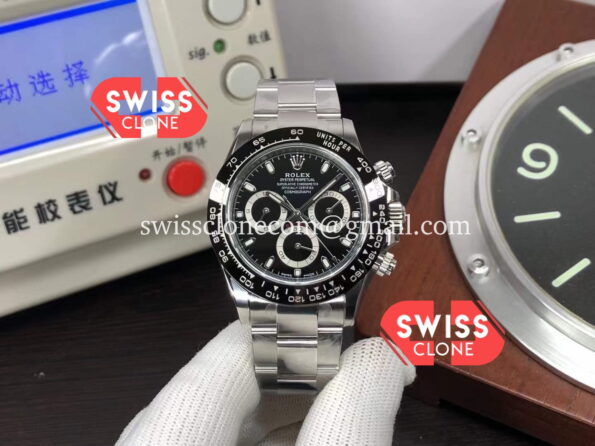
Decoding the Engineering Behind a Knock Rolex
Analyzing the anatomy of a knock rolex requires looking past the polished surface. We aren’t discussing the cheap, plastic-feeling trinkets found in tourist stalls. Instead, we are dissecting a sophisticated manufacturing ecosystem designed to replicate the weight, luster, and mechanical cadence of luxury horology. High-end replicas attempt to mirror the specific density of 904L steel and the precise tension of a hairspring.
When you hold a high-tier counterfeit, the initial deception often lies in the tactile feedback. The way the bracelet settles on the wrist or the click of the bezel—these are engineered sensations. To truly understand the counterfeit industry, one must examine how manufacturers manipulate metallurgy and micro-engineering to mimic the iconic design language of the world’s most coveted timepieces.

Identifying Technical Discrepancies in High-Tier Replicas
The gap between a genuine masterpiece and a super clone is narrowing, yet technical flaws remain. Precision is the enemy of the counterfeiter. While a factory might replicate the exterior casing perfectly, the internal movement often lacks the long-term stability of a certified chronometer. You might notice a slight deviation in the beat error or a lack of the characteristic sweeping motion found in authentic movements.
Material science plays a massive role here. Authentic luxury watches use specific alloys that resist corrosion and maintain luster for decades. A knock rolex might use a similar-looking plating, but under a microscope, the grain structure of the metal often reveals its true origin. Examining the finishing on the chamfered edges of the lugs can expose where the machine work ends and manual artistry fails.
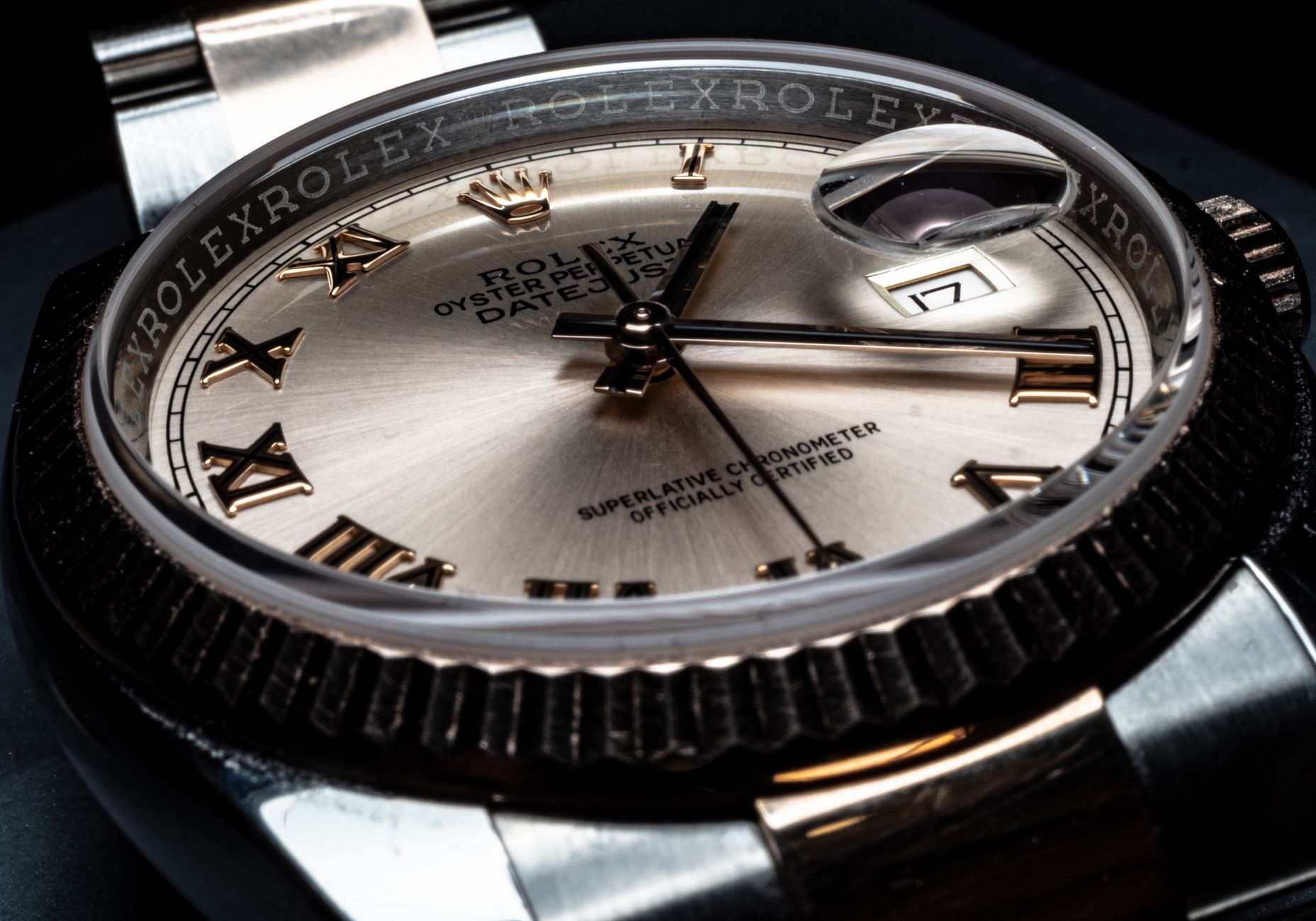
The Role of Macro Photography in Detecting Fakes
Modern collectors use high-magnification macro lenses to hunt for microscopic inconsistencies. We look for “printing errors” on the dial—tiny misalignments in the font or unevenness in the applied indices. Even a micron of deviation in the date magnification lens (the cyclops) can signal a counterfeit. If the date appears slightly off-center or the magnification ratio is incorrect, the illusion breaks immediately.
Beyond the dial, the case back and the movement bridges are critical. In a genuine piece, the engraving is deep, crisp, and perfectly centered. In many replicas, the engraving looks “soft” or shallow, a result of laser etching rather than traditional stamping. Using a 60x loupe, you can often see traces of leftover polishing compound in the crevices of the links, a hallmark of rushed production.
The Economic and Ethical Implications of the Replica Market
The replica market isn’t just about fashion; it’s a massive, shadow economy. The demand for a knock rolex is driven by the astronomical surge in secondary market prices for authentic models. As certain steel models become “investment grade,” the incentive for high-end forgery grows. This creates a cycle where the scarcity of the original fuels the sophistication of the fake.
However, the cost extends beyond the price tag. The supply chains for high-end counterfeits are often linked to unregulated manufacturing hubs where labor standards are non-existent. When we discuss the ethics of the market, we must consider the impact on the heritage of horology itself. The proliferation of “super clones” threatens the very concept of rarity that sustains the luxury industry.

Market Volatility and the Secondary Value Trap
Many buyers enter the secondary market hoping to find a deal, only to realize they have purchased a piece with zero resale value. A counterfeit watch is a dead asset. Unlike an authentic timepiece that may appreciate, a replica’s value drops to zero the moment its lack of authenticity is proven. This “value trap” is particularly dangerous in the era of social media-driven hype.
- Zero Liquidity: Authentic luxury watches are liquid assets; replicas are impossible to sell through reputable channels.
- Hidden Costs: The cost of servicing a high-end replica often exceeds the purchase price of the watch itself.
- Legal Risks: Importing high-value counterfeits can lead to seizure by customs and significant legal complications.
Advanced Verification Strategies for Professional Collectors
For the serious enthusiast, verification is a multi-step process involving weight, magnetism, and chronometric testing. A professional approach involves more than just a visual check. We use timing machines to analyze the amplitude and beat error. A healthy, authentic movement will show a consistent, high-amplitude swing that remains stable across different positions (dial up, crown down, etc.).
Another critical check is the magnetic resistance. Authentic luxury movements are engineered to withstand magnetic fields. If a watch loses significant time after being near a smartphone or a magnetic clasp, it is a red flag. At Swiss Clone, we emphasize that true luxury is found in the details that cannot be seen with the naked eye—the precision of the escapement and the purity of the materials.
Comparison: Authentic vs. High-Tier Replica
| Feature | Authentic Luxury Watch | High-Tier Replica |
|---|---|---|
| Material | 904L or 316L High-Grade Steel | Standard 316L or plated alloys |
| Movement | COSC Certified Chronometer | Modified Chinese or generic movements |
| Water Resistance | Tested to specific ATM/Depth | Unreliable; often only splash-proof |
| Resale Value | High/Appreciating | None |
Frequently Asked Questions
Can a professional jeweler detect a high-end replica?
Most experienced jewelers with specialized equipment (XRF analyzers or high-power loupes) can identify discrepancies in metal composition or movement finishing quite easily.
Is it possible to find a “super clone” that is indistinguishable?
While some “super clones” are incredibly close, they almost always fail under technical scrutiny, specifically regarding the movement’s long-term stability and the precision of the internal components.
Why do people buy replicas if they have no resale value?
The primary driver is the desire for the aesthetic and the “status” associated with the design, without the massive financial barrier of entry required for an authentic piece.
Final Thoughts on Horological Authenticity
Navigating the world of luxury timepieces requires a skeptical eye and a commitment to technical knowledge. Whether you are a seasoned collector or a newcomer, understanding the nuances of the counterfeit industry protects your investment and your passion. True horology is about the heritage, the engineering, and the soul of the machine—elements that a mere imitation can never truly capture.
If you are looking for more deep dives into the mechanics of high-end watches, stay tuned to our technical updates. For those seeking the pinnacle of precision, always prioritize verified authenticity.