
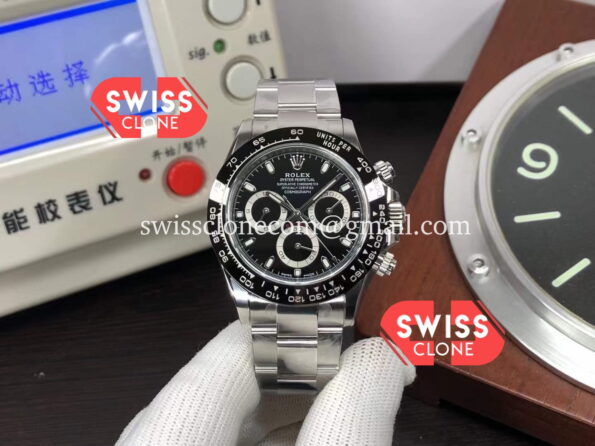
The Anatomy of Deception: A Professional Guide to Identifying a Rolex Watch Fake
Navigating the secondary luxury watch market requires a level of scrutiny that borders on forensic investigation. When dealing with high-value assets, the prevalence of a sophisticated rolex watch fake poses a significant financial risk to collectors and investors alike. These counterfeits have evolved from rudimentary imronations into high-end “super clones” that replicate weight, movement nuances, and even serial number placement with alarming precision. Understanding the technical discrepancies between an authentic timepiece and a counterfeit is the only way to safeguard your capital.
Authentic horology relies on decades of metallurgical refinement and precision engineering. A genuine Rolex utilizes specific grades of 904L steel, a corrosion-resistant alloy typically reserved for high-end aerospace applications. Most counterfeiters struggle to replicate the exact luster and density of this material, often resulting in a watch that feels slightly off-balance on the wrist. If you feel a certain “heaviness” that lacks the refined smoothness of premium steel, suspicion is warranted.
<!–  –>
–>
Technical Discrepancies in Movement and Caliber Integrity
The heart of any luxury timepiece is its movement. While a rolex watch fake might look convincing through a sapphire crystal, the internal mechanics often reveal the truth. Genuine Rolex calibers, such as the 3235, feature advanced escapements and precise regulation that mass-produced clones simply cannot mimic. You might notice a slight stutter in the seconds hand or an inconsistent beat rate when observing the balance wheel through a loupe.
Counterfeiters often use modified ETA or Miyota movements to save costs. These movements lack the specific power reserve capabilities and the proprietary architecture found in authentic Rolex production. When inspecting a piece, look for the finishing on the bridges and the presence of specific jewels. A lack of clean, chamfered edges on the movement components is a massive red flag for any serious collector.
<!– 
Micro-Printing and Dial Typography Precision
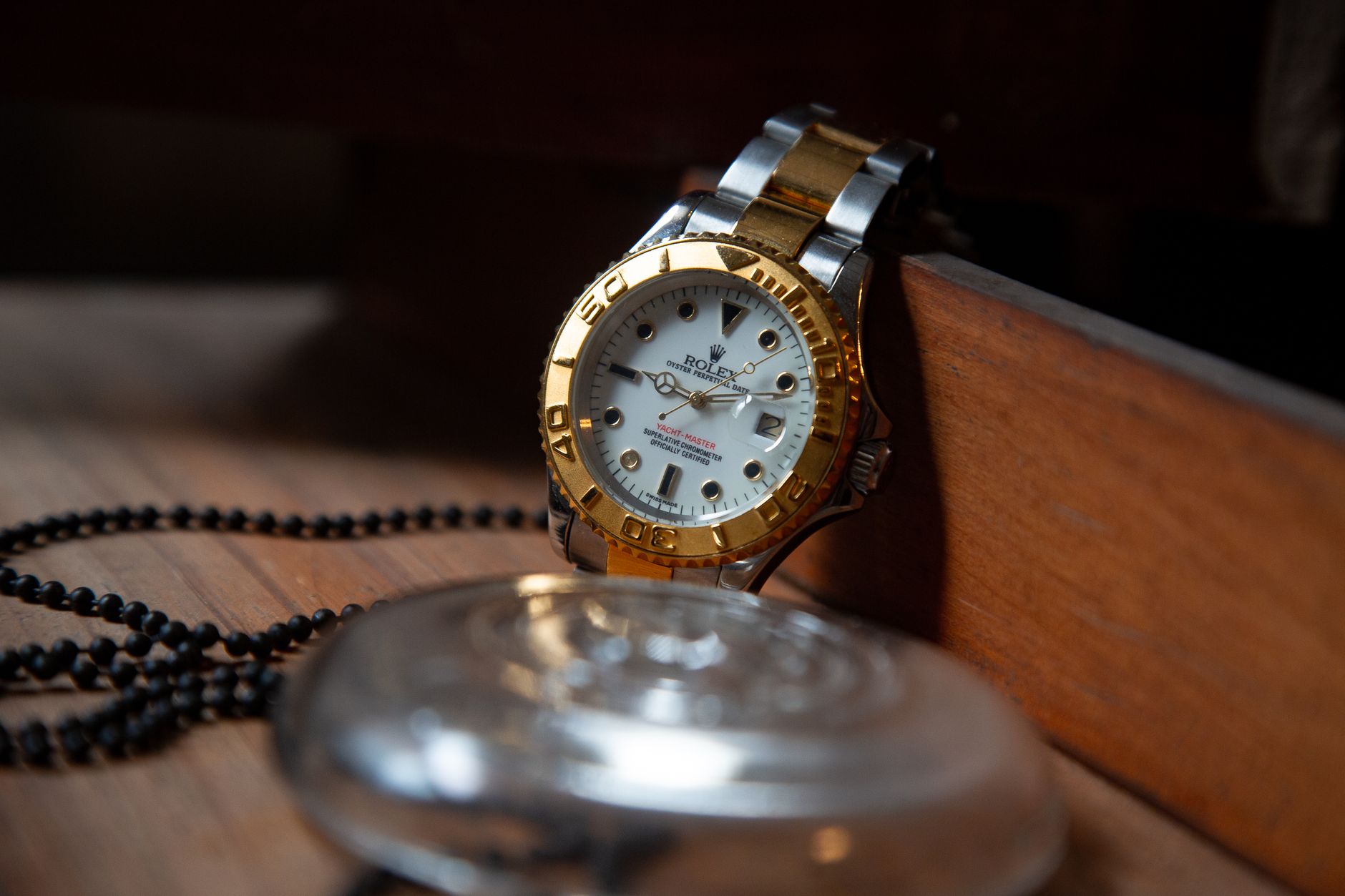
The dial is where the most subtle errors occur. In a professional guide identifying rolex precision, we emphasize the importance of typography. On an authentic dial, the font is crisp, with perfectly uniform spacing between letters. Even a microscopic deviation in the “R” or the “X” in the Rolex logo can signal a counterfeit. Many high-end fakes suffer from “bleeding” ink, where the edges of the letters appear slightly fuzzy under 10x magnification.
Check the date window specifically. The “cyclops” lens on a genuine Rolex provides a magnification of 2.5x, making the date appear larger and centered. Many replicas use inferior glass that distorts the date or fails to provide the correct magnification ratio. Furthermore, the printing of the “Swiss Made” text at the bottom of the dial must be perfectly aligned and legible, not smudged or overly thick.
Weight, Density, and Material Composition
The tactile experience of a luxury watch is inseparable from its value. As mentioned, the use of 904L steel is non-negotiable for authenticity. This specific alloy provides a unique way light reflects off the polished surfaces. If the watch appears too “yellowish” or lacks the bright, silvery luster of high-grade steel, you are likely looking at a lower-grade 316L stainless steel used in a rolex watch fake.
Beyond the metal, consider the weight of the bracelet and the clasp. The Oyster bracelet has a specific heft due to the density of its links and the precision of its pins. A counterfeit often feels “hollow” or overly light, which is a direct result of using cheaper, less dense alloys. I once inspected a Submariner that looked perfect at a distance, but the moment it hit the scale, the discrepancy in grams was undeniable.
- Material Check: Verify the presence of 904L steel through luster inspection.
- Weight Verification: Use a precision scale to compare against known authentic weights.
- Clasp Integrity: Ensure the Oysterlock mechanism engages with a firm, precise click.
The Complexity of Bezel and Ceramic Finishes
The Cerachrom bezel is a masterpiece of ceramic engineering. On a genuine Rolex, the ceramic is incredibly hard, scratch-resistant, and features precisely engraved numerals filled with platinum or gold. In many instances of a rolex watch fake, the bezel is actually aluminum with a coating, which will show wear, scratches, or fading much faster than true ceramic.
Examine the transition between the ceramic insert and the metal bezel ring. There should be no visible gaps or unevenness. A high-quality counterfeit might pass a visual test in low light, but under a direct, bright light source, the lack of depth in the engravings becomes painfully obvious. The platinum coating in the numerals should look integrated, not like paint sitting on top of the surface.
Authentication Checklist for Collectors
To avoid the pitfalls of the secondary market, I recommend maintaining a rigorous inspection protocol. Never rely solely on the seller’s word or the presence of a “box and papers” set, as these are the easiest items to forge. Use the following technical points to guide your evaluation:
- Inspect the serial number engravings on the rehaut (the inner ring between the dial and crystal) for depth and clarity.
- Check the movement for the presence of specific Rolex-only components and finishing.
- Verify the date magnification and centering through the cyclops lens.
- Analyze the luster and weight of the 904L steel casing.
Comparison: Authentic vs. High-End Counterfeit
| Feature | Authentic Rolex | High-End Fake (Super Clone) |
|---|---|---|
| Steel Grade | 904L Stainless Steel | Often 316L or lower |
| Movement | Proprietary Calibers (e.g., 3235) | Modified ETA/Miyota |
| Bezel | Scratch-resistant Cerachrom | Anodized Aluminum or low-grade Ceramic |
| Typography | Micro-precision printing | Potential ink bleeding/misalignment |
Frequently Asked Questions
How can I be 100% sure a watch is not a rolex watch fake?
The only way to be certain is to have the timepiece inspected by a certified horologist using specialized tools like X-ray fluorescence (XRF) to verify metal composition and high-magnification microscopy to inspect the movement. Never trust a visual inspection alone if the price seems too good to be true.
Are “Super Clones” actually indistinguishable from the real thing?
While “super clones” are incredibly advanced, they almost always fail under technical scrutiny. They may replicate the exterior weight and look, but the internal metallurgy, the precision of the movement’s beat, and the specific 904L steel luster remain difficult to duplicate perfectly.
Securing Your Investment
Investing in luxury timepieces is an exercise in trust and technical knowledge. Whether you are a seasoned collector or a first-time buyer, the burden of proof lies in the details. By mastering the anatomy of deception, you protect yourself from the financial devastation of a fraudulent purchase. If you are looking for unparalleled precision and authenticity, always prioritize sources that provide transparent documentation and verifiable provenance.
At Swiss Clone, we understand the nuances of high-end horology. We focus on the technical excellence that defines true luxury. If you have questions regarding the authenticity of a specific movement or material, our experts are available to provide technical insights.